The Condition
Attention-deficit/hyperactivity disorder is a neurodevelopmental condition characterized by persistent inattention, hyperactivity, and impulsivity stemming from dysregulated dopaminergic and noradrenergic signaling in the prefrontal cortex and striatal reward pathways.
How the Plant Resolves It
Volatile sesquiterpenes and neurotropic flavonoids modulate central dopamine and norepinephrine transporter activity, upregulating synaptic availability while inhibiting monoamine oxidase degradation to sharpen neural signal-to-noise ratios.
- 1.Sesquiterpenes and flavonoids modulate dopamine and norepinephrine transporter activity.
- 2.Synaptic availability of these focus chemicals rises.
- 3.MAO degradation is inhibited, sharpening neural signal-to-noise.
How Each Specimen Contributes
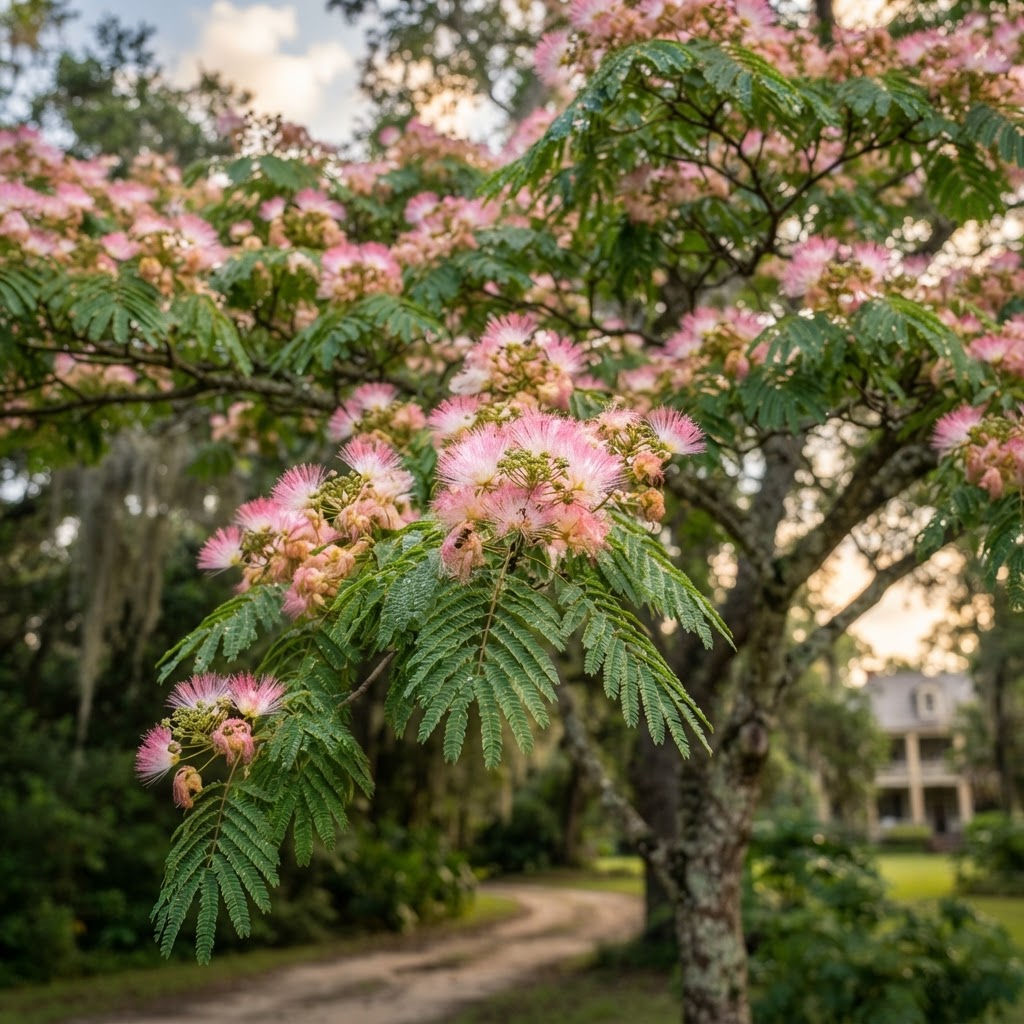
Mimosa / Persian Silk Tree
Julibrin saponins modulate prefrontal dopamine D1 receptor sensitivity, improving working memory and sustained attention without the jitter of stimulant drugs.
Pine
Pinocembrin inhibits monoamine oxidase-B, slowing the enzymatic degradation of dopamine and norepinephrine in the synaptic cleft.
Magnolia
Magnolol acts as a mild GABA-A positive modulator, reducing the anxiety and motor hyperactivity that accompany ADHD without sedating cognition.
Pennywort
Asiatic acid enhances dendritic arborization in the prefrontal cortex, strengthening the neural circuits that govern impulse control and attention.
Mexican Creeper / Coral Vine
Oleanolic acid triterpenoids modulate norepinephrine transporter kinetics, increasing synaptic norepinephrine availability for improved signal-to-noise in cortical processing.
Plant compounds help regulate focus chemicals in the brain, improving attention span and reducing mental hyperactivity.
Plants & Trees that treat it
Click any specimen to open its pharmacognostic monograph.
Academic Citations
- 1.Faraone SV, Buitelaar J. Comparing the efficacy of stimulants for ADHD. Neurosci Biobehav Rev. 2010;34(5):677-684.
- 2.Bloch MH, Qawasmi A. Omega-3 fatty acid supplementation for the treatment of children with attention-deficit/hyperactivity disorder symptomatology: systematic review and meta-analysis. J Am Acad Child Adolesc Psychiatry. 2011;50(10):991-1000.
- 3.Rucklidge JJ, Kaplan BJ. Broad-spectrum micronutrient treatment for attention-deficit/hyperactivity disorder: rationale and evidence to date. CNS Drugs. 2014;28(9):775-785.
- 4.Manach C, Williamson G, Morand C, et al. Bioavailability and bioefficacy of polyphenols in humans. Am J Clin Nutr. 2005;81(1 Suppl):230S-242S.