The Condition
Chronic liver disease encompasses progressive hepatic injury leading to fibrosis and cirrhosis, characterized by hepatocyte necrosis, hepatic stellate cell activation, extracellular matrix deposition, and architectural distortion that ultimately impairs liver function.
How the Plant Resolves It
Hepatoprotective aglycones and triterpenoids suppress hepatic stellate cell activation, inhibit lipid peroxidation, protect mitochondrial integrity within hepatocytes, and moderate the fibrotic signaling cascades that harden hepatic tissue.
- 1.Triterpenoids and aglycones suppress hepatic stellate cell activation.
- 2.Lipid peroxidation is inhibited and mitochondrial integrity protected.
- 3.Fibrotic signaling cascades are moderated, preventing cirrhotic hardening.
How Each Specimen Contributes
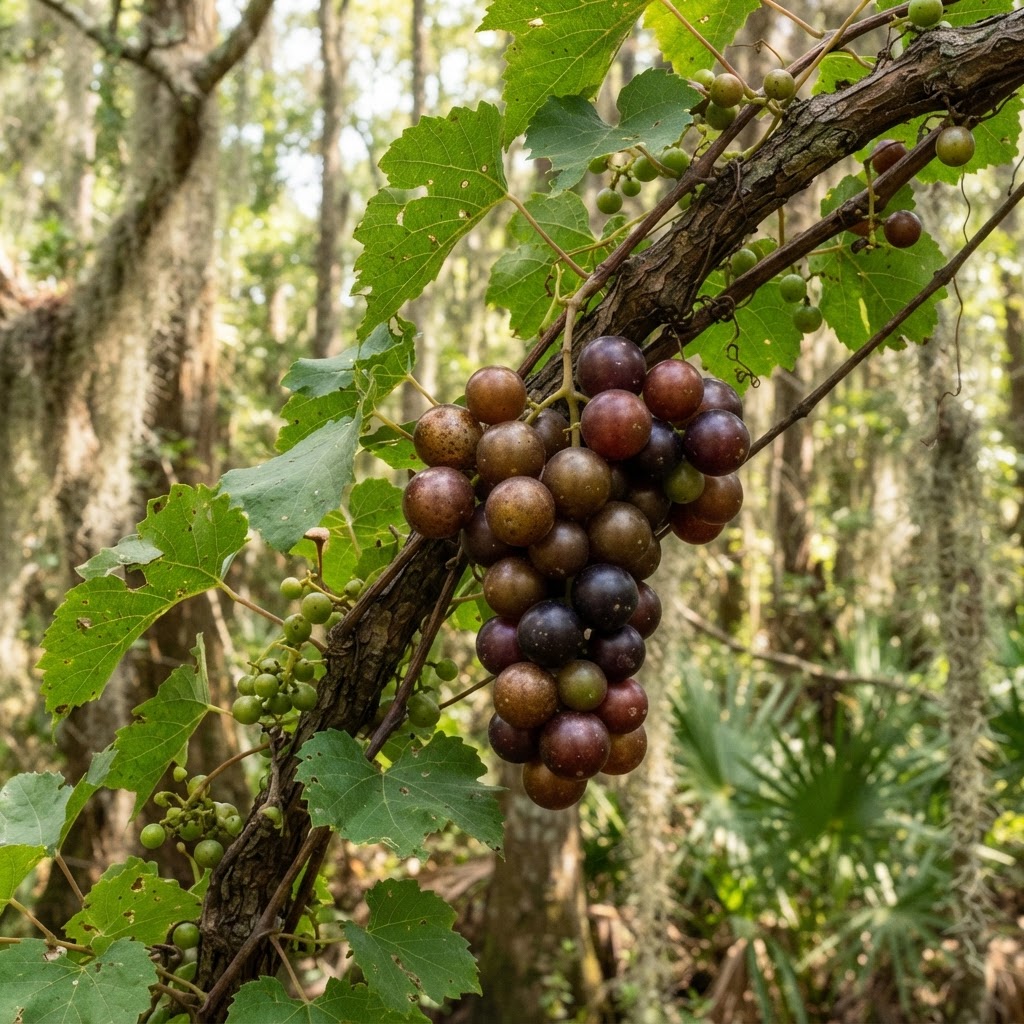
Muscadine Grape
Resveratrol and ellagic acid suppress hepatic stellate cell activation by inhibiting TGF-β1 and PDGF signaling, halting the myofibroblast transdifferentiation that drives collagen deposition.
Southern Live Oak
Ellagitannins inhibit CYP2E1-mediated lipid peroxidation in hepatocytes, reducing the reactive aldehyde byproducts that activate stellate cells.
American Persimmon
Betulinic acid protects hepatocyte mitochondrial membranes from permeability transition, preventing the cytochrome c release that triggers apoptosis in compromised liver tissue.
Pennywort
Asiaticoside upregulates Nrf2/ARE antioxidant pathways in hepatocytes, increasing glutathione synthesis and protecting against acetaminophen and ethanol-induced oxidative injury.
Magnolia
Magnolol and honokiol inhibit NF-κB signaling in Kupffer cells, reducing the TNF-α and IL-6 output that perpetuates hepatic inflammation and fibrogenesis.
Plant compounds protect liver cells from dying, stop fat buildup, and prevent the hard scar tissue that leads to liver failure.
Plants & Trees that treat it
Click any specimen to open its pharmacognostic monograph.
Academic Citations
- 1.Bishayee A. Cancer prevention and treatment with resveratrol: from rodent studies to clinical trials. Cancer Prev Res (Phila). 2009;2(5):409-418.
- 2.Bishayee A, Darvesh AS, Politis T, McGory R. Resveratrol and liver disease: from bench to bedside and community. Liver Int. 2010;30(8):1103-1114.
- 3.Amiot MJ, Riva C, Vinet A. Effects of dietary polyphenols on metabolic syndrome features in humans. Obes Rev. 2016;17(7):573-586.
- 4.Fraga CG, Galleano M, Verstraeten SV, Oteiza PI. Basic biochemical mechanisms behind the health benefits of polyphenols. Mol Aspects Med. 2010;31(6):435-445.