The Condition
Nephritis and nephrotic syndrome encompass inflammatory and degenerative kidney disorders characterized by glomerular damage, proteinuria, edema, and progressive loss of renal filtration capacity.
How the Plant Resolves It
Systemic delivery of antioxidant polyphenols and tannin fractions neutralizes reactive oxygen species within the delicate renal microvasculature, suppressing local transcription factors (NF-κB) responsible for progressive glomerular scarring and inflammatory tissue fibrosis.
- 1.Polyphenols and tannins neutralize ROS in the renal microvasculature.
- 2.Local NF-κB transcription is suppressed.
- 3.Progressive glomerular scarring and inflammatory fibrosis are prevented.
How Each Specimen Contributes
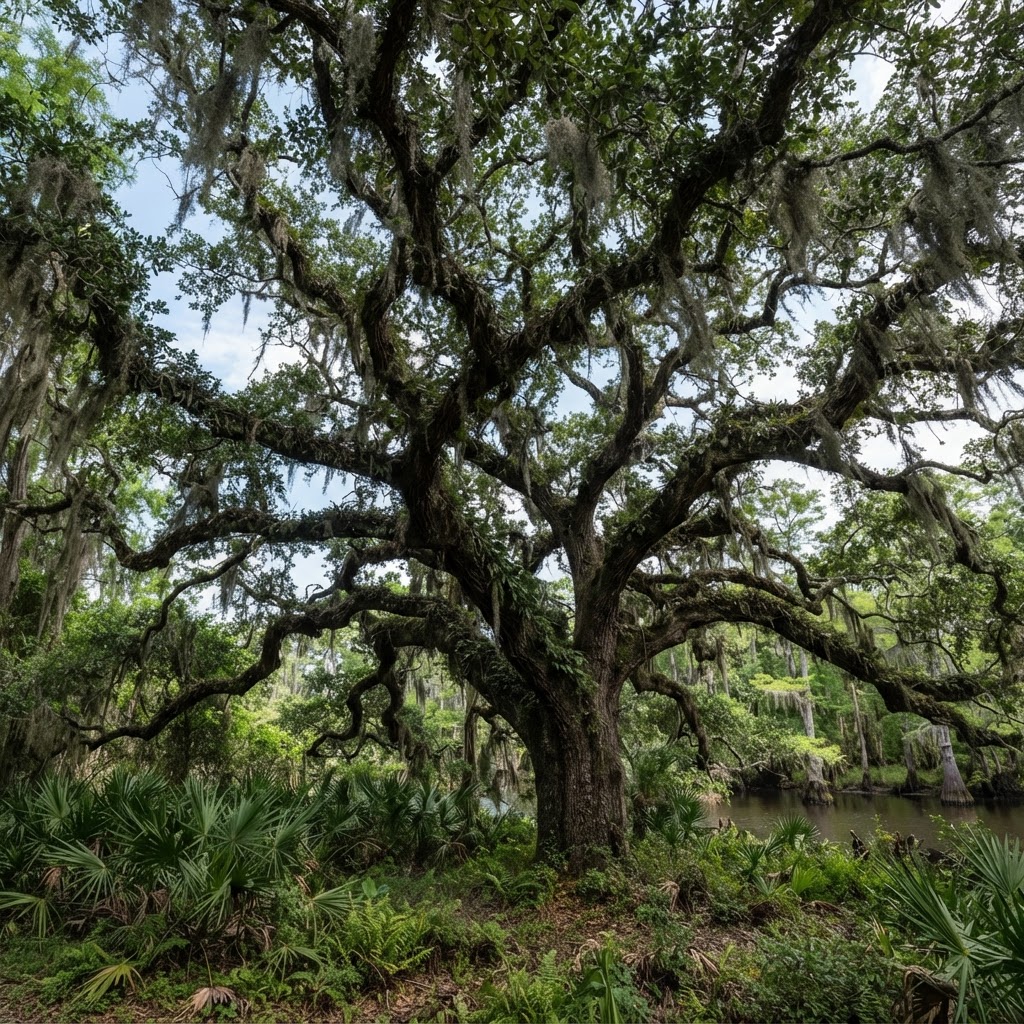
Southern Live Oak
Ellagitannins and urolithin metabolites scavenge reactive oxygen species in the glomerular microvasculature, protecting the filtration slit diaphragm from oxidative injury.
American Persimmon
Proanthocyanidins suppress NF-κB-driven MCP-1 and ICAM-1 expression in renal tubular cells, reducing the inflammatory cell infiltration that drives progressive nephritis.
Black Tupelo
Quercetin inhibits renal NADPH oxidase, reducing the local superoxide production that damages podocytes and increases proteinuria.
Wild Violet
Rutin and violanin stabilize the glomerular basement membrane and reduce capillary permeability, directly decreasing the protein leakage that defines nephrotic syndrome.
Bald Cypress
Taxodione inhibits TGF-β1 signaling in mesangial cells, preventing the proliferative and fibrotic changes that narrow the glomerular tuft.
Antioxidants from plants clear out harmful chemical stress in the kidneys, preventing the scarring and permanent damage that ruins filtration.
Plants & Trees that treat it
Click any specimen to open its pharmacognostic monograph.
Academic Citations
- 1.Pandey KB, Rizvi SI. Plant polyphenols as dietary antioxidants in human health and disease. Oxid Med Cell Longev. 2009;2(5):270-278.
- 2.Fraga CG, Galleano M, Verstraeten SV, Oteiza PI. Basic biochemical mechanisms behind the health benefits of polyphenols. Mol Aspects Med. 2010;31(6):435-445.
- 3.Rahman I, Biswas SK, Kirkham PA. Regulation of inflammation and redox signaling by dietary polyphenols. Biochem Pharmacol. 2006;72(11):1439-1452.
- 4.Tovar-Palacio C, Noriega LG, Mercado A. Potential of polyphenols to restore SIRT1 and NAD+ metabolism in renal disease. Nutrients. 2022;14(3):653.