The Condition
Periodontal disease is a chronic inflammatory condition of the supporting tissues of the teeth, caused by anaerobic bacterial biofilm and characterized by gingival inflammation, connective tissue destruction, and alveolar bone loss.
How the Plant Resolves It
Astringent tannins and antimicrobial phenolic fractions precipitate bacterial cell proteins, inhibiting the proliferation of anaerobic plaque-forming pathogens and reducing gingival inflammatory bleeding.
- 1.Astringent tannins precipitate bacterial cell proteins.
- 2.Anaerobic plaque-forming pathogens are inhibited.
- 3.Gingival inflammatory bleeding is reduced and swollen gums tighten.
How Each Specimen Contributes
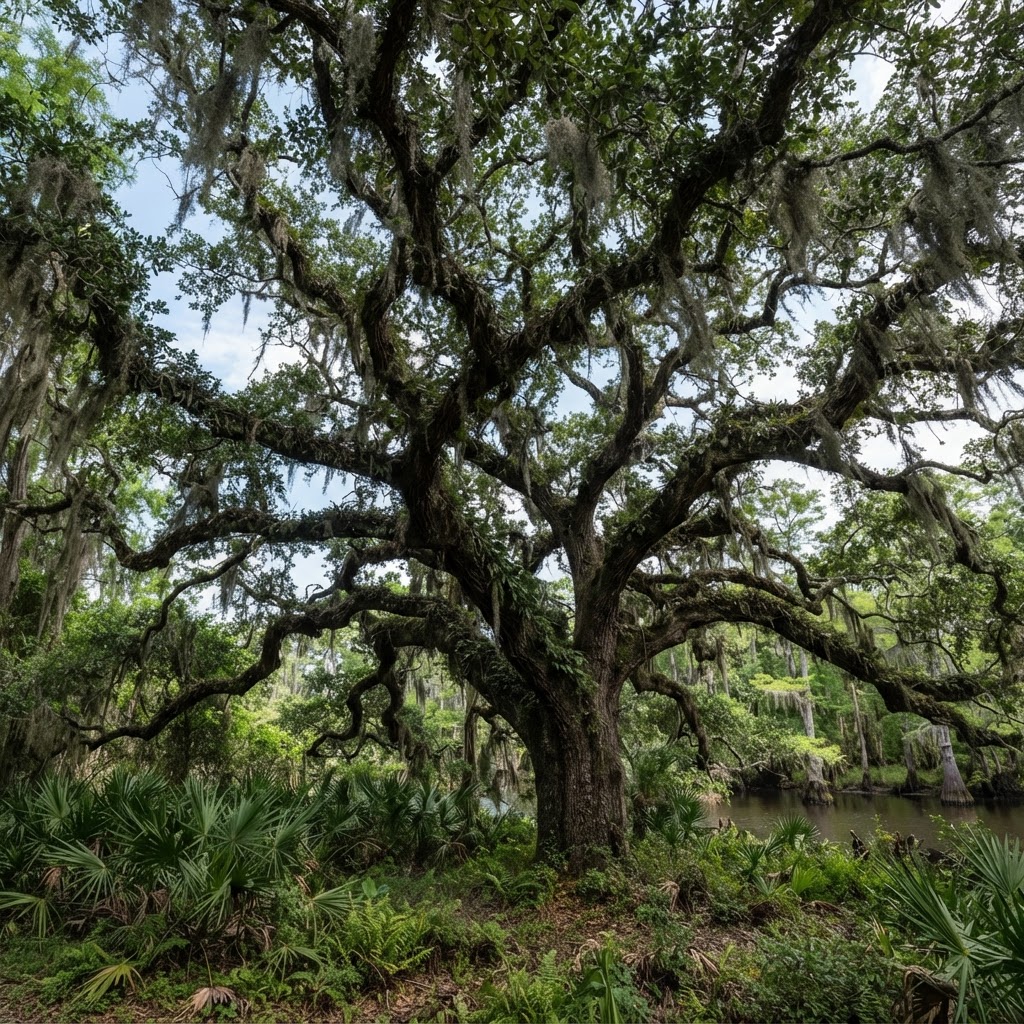
Southern Live Oak
Ellagitannins and condensed tannins precipitate the surface proteins of Porphyromonas gingivalis and other anaerobic plaque pathogens, killing them on contact in the gingival sulcus.
American Persimmon
Proanthocyanidins reduce gingival capillary permeability and bleeding by cross-linking the structural proteins of the gingival epithelium, tightening the gum tissue.
Water Oak
Quercetin inhibits the collagenase activity of periodontal pathogens, protecting the periodontal ligament and alveolar bone from enzymatic destruction.
American Sycamore
Astringent tannins and betulinic acid reduce the biofilm formation of plaque bacteria, preventing the organized colonization that leads to calculus deposition.
Magnolia
Magnolol suppresses NF-κB-driven IL-1β and TNF-α expression in gingival tissue, reducing the inflammatory cascade that drives periodontal attachment loss.
Astringent plant compounds kill plaque bacteria on contact and tighten up swollen gums to stop bleeding.
Plants & Trees that treat it
Click any specimen to open its pharmacognostic monograph.
Academic Citations
- 1.Fine AM. Oligomeric proanthocyanidin complexes: history, structure, and some clinical applications. Altern Med Rev. 2000;5(2):144-151.
- 2.Bedi MK, Shenefelt PD. Herbal therapy in dermatology. Arch Dermatol. 2002;138(2):232-238.
- 3.Pandey KB, Rizvi SI. Plant polyphenols as dietary antioxidants in human health and disease. Oxid Med Cell Longev. 2009;2(5):270-278.
- 4.Fraga CG, Galleano M, Verstraeten SV, Oteiza PI. Basic biochemical mechanisms behind the health benefits of polyphenols. Mol Aspects Med. 2010;31(6):435-445.