The Condition
Psoriasis is a chronic autoimmune skin disorder characterized by keratinocyte hyperproliferation, impaired differentiation, and inflammatory infiltration, producing erythematous, scaly plaques.
How the Plant Resolves It
Topical and systemic delivery of targeted aglycones and triterpenoids suppresses keratinocyte hyperproliferation by inducing cell cycle arrest and clearing abnormal inflammatory signaling loops within the dermal-epidermal junction.
- 1.Aglycones and triterpenoids induce cell cycle arrest in hyperproliferative keratinocytes.
- 2.Abnormal inflammatory signaling at the dermal-epidermal junction is cleared.
- 3.Thick, scaly plaque formation subsides.
How Each Specimen Contributes
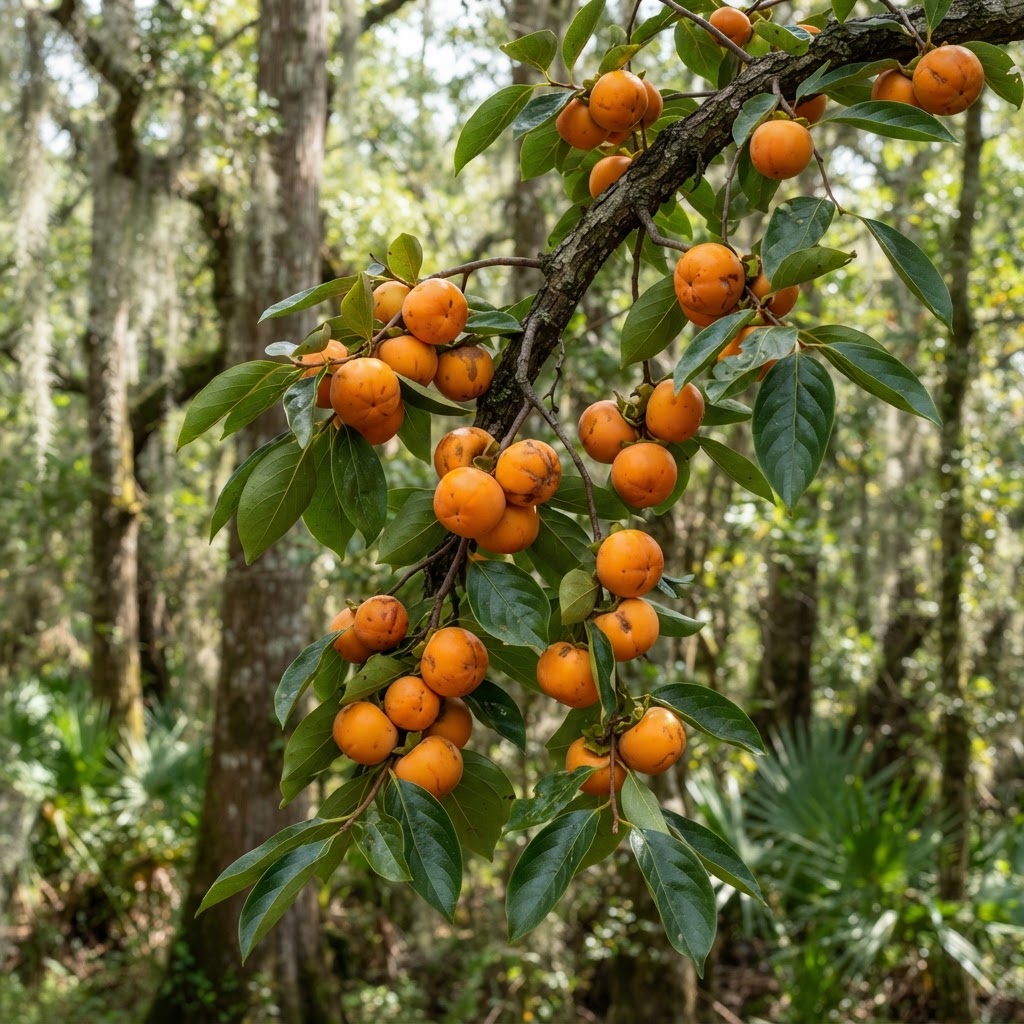
American Persimmon
Proanthocyanidins and betulinic acid induce cell cycle arrest in hyperproliferative keratinocytes by upregulating p21, halting the rapid turnover that produces psoriatic plaques.
American Sycamore
Astringent tannins reduce the inflammatory infiltrate at the dermal-epidermal junction, clearing the cytokine signaling (IL-17, IL-23) that drives plaque formation.
Magnolia
Magnolol inhibits NF-κB and STAT3 signaling in keratinocytes, suppressing the IL-17/IL-23 inflammatory axis that defines psoriatic skin pathology.
Pennywort
Asiaticoside promotes normal keratinocyte differentiation and reduces the parakeratosis that characterizes psoriatic plaques, restoring the normal maturation pattern of the epidermis.
Mexican Creeper / Coral Vine
Oleanolic acid inhibits T-cell activation and proliferation in the dermis, reducing the autoimmune inflammatory drive that triggers keratinocyte hyperproliferation.
Botanical treatments stop skin cells from multiplying too fast and clear out the inflammation that creates thick, scaly patches.
Plants & Trees that treat it
Click any specimen to open its pharmacognostic monograph.
Academic Citations
- 1.Mukherjee PK, Maity N, Nema NK, Sarkar BK. Bioactive compounds from natural resources against skin aging. Phytomedicine. 2011;19(1):64-73.
- 2.Bedi MK, Shenefelt PD. Herbal therapy in dermatology. Arch Dermatol. 2002;138(2):232-238.
- 3.Rahman I, Biswas SK, Kirkham PA. Regulation of inflammation and redox signaling by dietary polyphenols. Biochem Pharmacol. 2006;72(11):1439-1452.
- 4.Fraga CG, Galleano M, Verstraeten SV, Oteiza PI. Basic biochemical mechanisms behind the health benefits of polyphenols. Mol Aspects Med. 2010;31(6):435-445.