The Condition
Diabetic peripheral neuropathy is a progressive nerve disorder caused by chronic hyperglycemia, characterized by axonal degeneration, demyelination, and sensory dysfunction driven by advanced glycation end-products and oxidative stress.
How the Plant Resolves It
Antioxidant aglycones prevent the accumulation of advanced glycation end-products (AGEs), reducing oxidative damage to peripheral nerve myelin sheaths and dampening neuropathic pain signaling.
- 1.Antioxidant aglycones prevent accumulation of advanced glycation end-products (AGEs).
- 2.Oxidative damage to peripheral nerve myelin sheaths is reduced.
- 3.Neuropathic pain signaling is dampened.
How Each Specimen Contributes
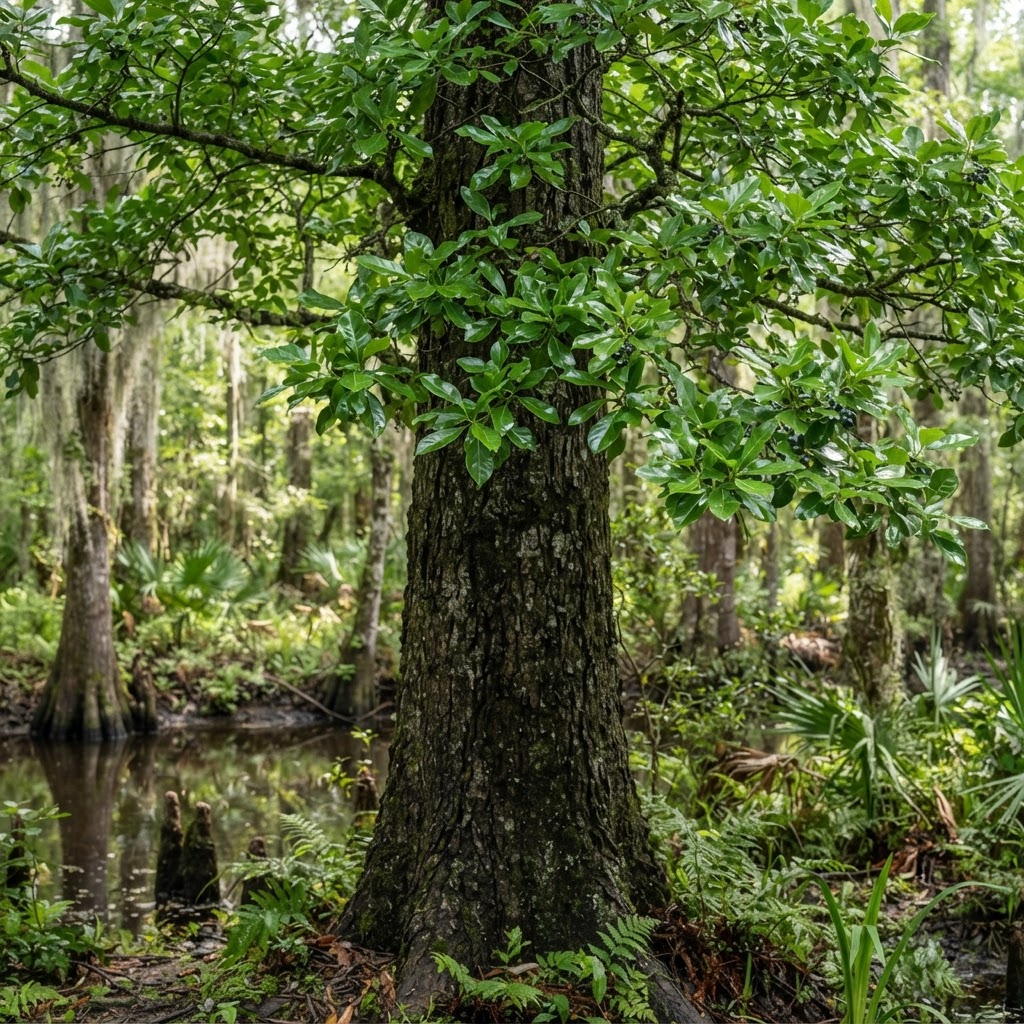
Black Tupelo
Quercetin and kaempferol inhibit the formation of advanced glycation end-products (AGEs) by blocking the Maillard reaction, protecting nerve myelin sheaths from cross-linking damage.
Mexican Creeper / Coral Vine
Oleanolic acid reduces the RAGE (receptor for AGE) expression on Schwann cells, preventing the inflammatory signaling that damages peripheral nerve myelination.
Mustang Grape
Resveratrol activates SIRT1 in peripheral neurons, promoting mitochondrial biogenesis and restoring the axonal energy deficit that underlies diabetic neuropathy.
Muscadine Grape
Ellagic acid inhibits aldose reductase, reducing the sorbitol accumulation that causes osmotic swelling and damage to Schwann cells in diabetic nerves.
Pennywort
Asiaticoside promotes peripheral nerve regeneration and myelin repair, directly stimulating the repair of damaged axons and reducing neuropathic pain signaling.
Plant antioxidants block toxic sugar-protein buildup that destroys nerve coatings, easing the burning and numbness in hands and feet.
Plants & Trees that treat it
Click any specimen to open its pharmacognostic monograph.
Academic Citations
- 1.Amiot MJ, Riva C, Vinet A. Effects of dietary polyphenols on metabolic syndrome features in humans: a systematic review. Obes Rev. 2016;17(7):573-586.
- 2.Del Rio D, Rodriguez-Mateos A, Spencer JPE, et al. Dietary (poly)phenolics in human health. Antioxid Redox Signal. 2013;18(14):1818-1892.
- 3.Pandey KB, Rizvi SI. Plant polyphenols as dietary antioxidants in human health and disease. Oxid Med Cell Longev. 2009;2(5):270-278.
- 4.Fraga CG, Galleano M, Verstraeten SV, Oteiza PI. Basic biochemical mechanisms behind the health benefits of polyphenols. Mol Aspects Med. 2010;31(6):435-445.