Dear reader, you are holding a record of the rapid physiological shifts I have experienced through the daily intake of a living, wild-fermented botanical culture — hereafter referred to as Gwynwyfr. This shall be your guide, for all who may like to follow.
By putting the right things in and drinking from her consistently, a dense collection of organic acids, bitter metabolites, active polyphenols, and volatile plant terpenes will work through your fundamental biological pathways to systematically transform your physical capacity, mental clarity, and environmental resilience.
I
Physical Power & Endurance
Doubled Strength and Sustained Output
Physical output is governed as much by central nervous system feedback as by muscular volume. A daily serving as little as half a cup floods cellular pathways with bioavailable antioxidants that scavenge reactive oxygen species (ROS) generated during exertion. By rapidly lowering baseline tissue oxidative stress, mitochondrial efficiency improves markedly.
Simultaneously, the reduction of systemic inflammation prevents the early spinal reflex loops that signal physical exhaustion. Within one to two weeks of daily intake, recovery between efforts accelerates, baseline endurance expands, and the nervous system can recruit a significantly higher percentage of high-threshold motor units during physical work.
II
Mental Clarity & Cognitive Speed
Rapid Memory Recall and Accelerated Thinking
Cognitive function is intimately bound to the state of the gastrointestinal tract via the gut-brain axis. The high concentration of bitter plant constituents in a half-cup dose triggers gustatory receptors in the mouth and stomach within fifteen to thirty minutes, stimulating the vagus nerve and enhancing cholinergic signaling — the primary neurotransmitter pathway responsible for alertness and focus.
Over ten to fourteen days of daily use, gut-derived systemic inflammation drops. Lowering circulating inflammatory cytokines prevents them from crossing the blood-brain barrier. The removal of this background neuroinflammatory noise manifests as rapid-fire memory retrieval, heightened focus, and sharper, faster thinking.
III
Evening Rest & Autonomic Balance
Uninterrupted Inner Calm and Restoration-Rich Dreams
Complex plant substrates and organic acids enter the lower gastrointestinal tract, nourishing beneficial colonic microflora. Between two to six weeks, resident microbes ferment these constituents into dense concentrations of short-chain fatty acids like butyrate.
These short-chain fatty acids signal the hypothalamic-pituitary-adrenal (HPA) axis to downregulate the baseline production of stress hormones like cortisol and adrenaline. Shifting the baseline nervous system into sustained parasympathetic dominance produces an unshakeable, steady inner peace during waking hours. At night, this deepened parasympathetic state optimizes sleep architecture, encouraging longer periods of slow-wave and REM sleep that consistently yield vivid, healthy dreams.
IV
Gastric Kinetics & Temperance
Blunted Intoxication and Digestive Buffering
The dense concentration of astringent tannins and bitter compounds directly alters gastric motility. When taken shortly before or in conjunction with alcoholic beverages, these compounds slow the rate at which the stomach empties its contents into the small intestine.
Increasing residence time in the stomach exposes alcohol to gastric enzymes longer, flattening the absorption curve in the upper intestinal tract. By preventing sharp, sudden spikes in Blood Alcohol Concentration, the body maintains physiological equilibrium and blunts the acute intoxicating effects of alcohol.
V
Environmental & Cutaneous Resilience
Photoprotection & Natural Insect Repellency
Photoprotective Sun Resistance
Sunburn is an acute inflammatory reaction (erythema) triggered when UV radiation generates free radicals within skin cells.
A daily half-cup intake provides an abundance of lipid-soluble triterpenes, flavonoids, and plant antioxidants that gradually saturate the cutaneous dermal layers over two to three weeks. Once tissue saturation is established, these internal antioxidants neutralize UV-induced free radicals before they can break down cellular membranes, significantly raising the skin's threshold against sunburning during prolonged sun exposure.
Transcutaneous Insect Repellency
Volatile monoterpenes and sesquiterpenes absorbed from aromatic botanical constituents pass into the bloodstream and systematically accumulate in lipid-rich sweat and sebaceous glands. Within days of unbroken daily intake, these volatile compounds continuously evaporate through the pores. This subtle transcutaneous vapor masks the lactic acid and carbon dioxide plumes that insects — including mosquitoes — rely on to locate hosts, rendering the body naturally resistant to insect bites.
VI
Oral Ecology & Dental Resilience
Microbial Displacement & Salivary Remineralization
Microbial Displacement & Bio-film Disruption
The oral cavity serves as the first site of exposure to the living culture. Complex organic acids, astringent tannins, and plant polyphenols directly alter the chemical dynamics of the mouth by disrupting the sticky extracellular matrix created by plaque-forming bacteria. Within days of consistent intake, these active compounds prevent pathogenic microorganisms from adhering to tooth surfaces, dismantling early plaque formation before it can calcify.
Salivary Remineralization & Environmental Freshness
The bitter metabolites present in a daily dose stimulate an immediate gustatory reflex, surging the production of rich, mineral-dense saliva. This increase in natural salivary flow floods the oral cavity with calcium and phosphate, smoothing microscopic enamel imperfections and restoring a smooth, polished luster to the teeth. Concurrently, native microflora from the ferment competitively displace odor-causing anaerobic bacteria along the gums and tongue, resulting in persistent oral freshness and a lasting sensation of immaculate cleanliness.
✦
A Curated Botanical Index
Pharmacological & Systemic Analysis of the Regional Flora
To fully appreciate the efficacy of a living wild-fermented culture, one must recognize that its transformative potential relies on the sophisticated plant chemistry fed into it. Below is a thorough analysis of the regional trees, blossoms, and wild plants I have personally integrated — detailing their specific contributions to cognitive longevity, metabolic optimization, oncological resolution, skin vitality, and systemic resilience. Click any specimen to open its full pharmacognostic monograph.
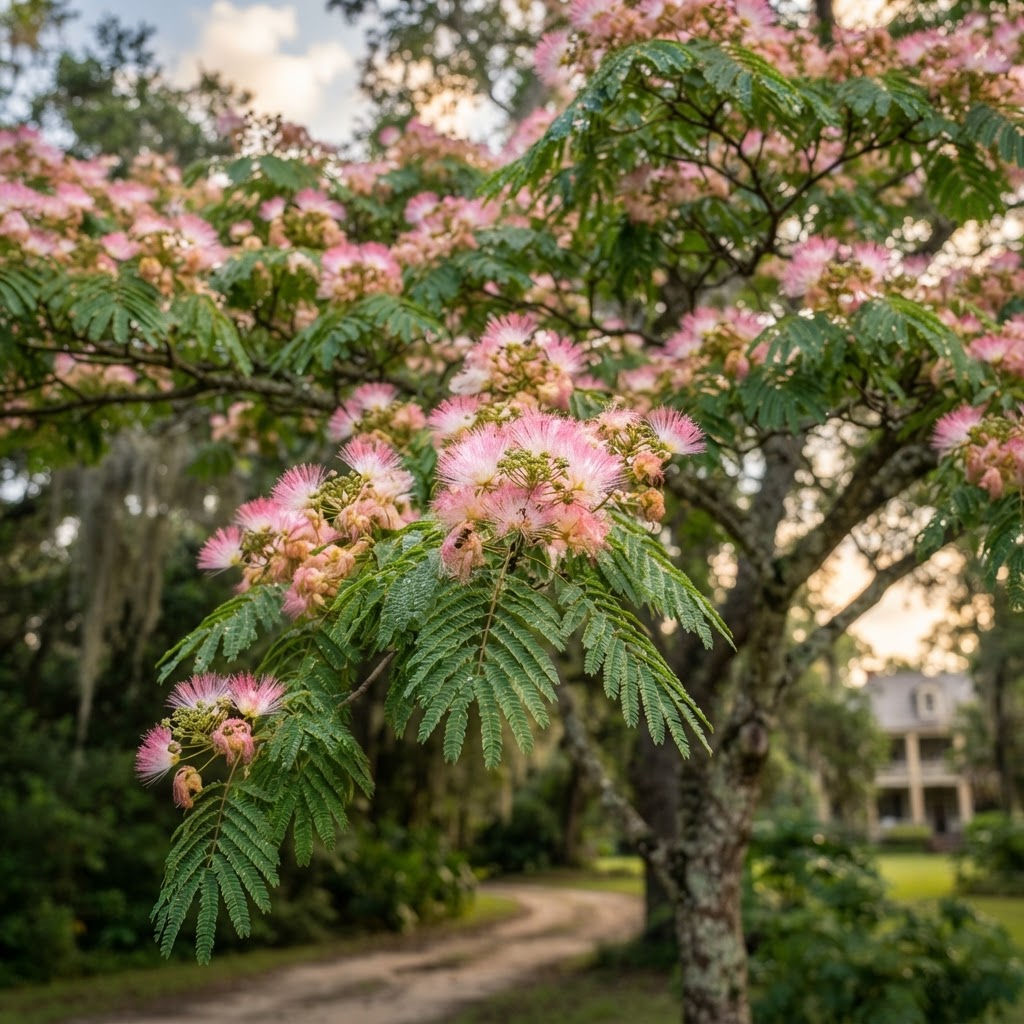 Mimosa / Persian Silk TreeAlbizia julibrissin
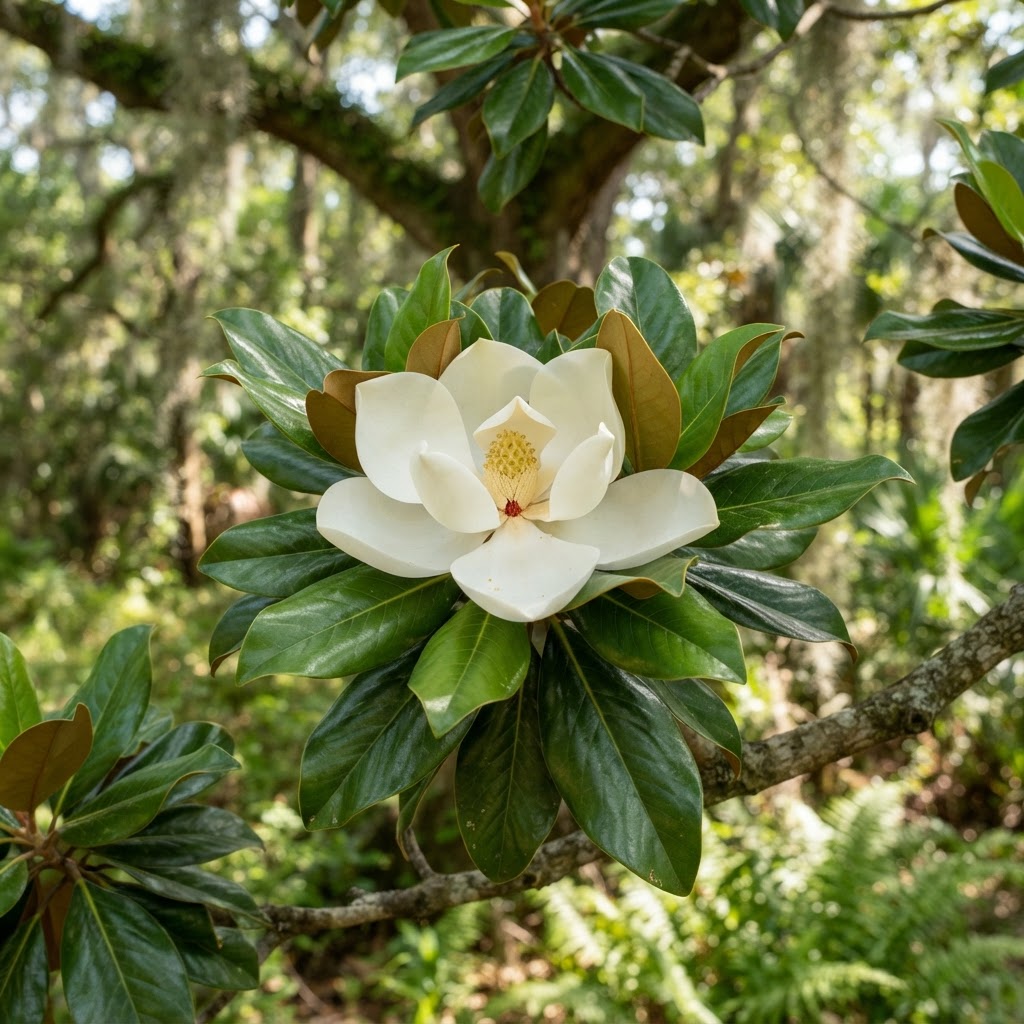 MagnoliaMagnolia grandiflora
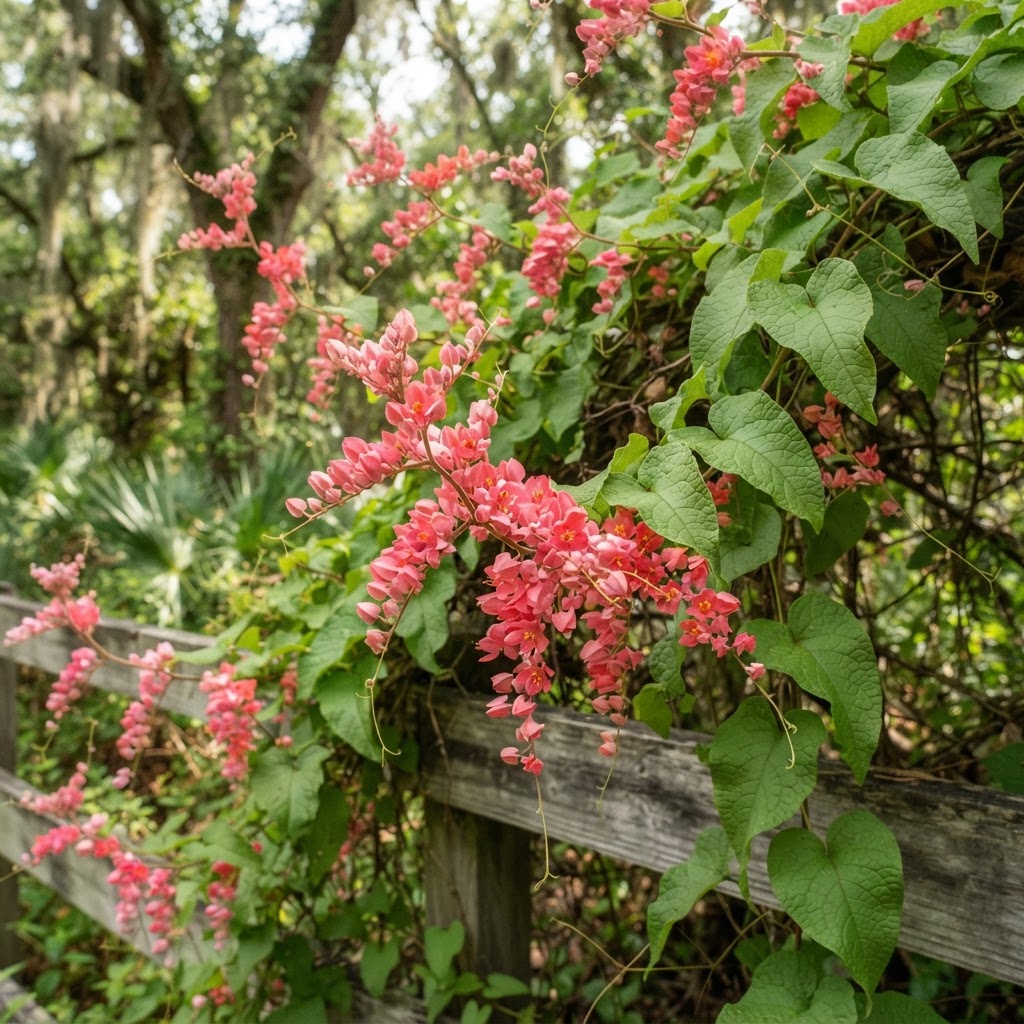 Mexican Creeper / Coral VineAntigonon leptopus
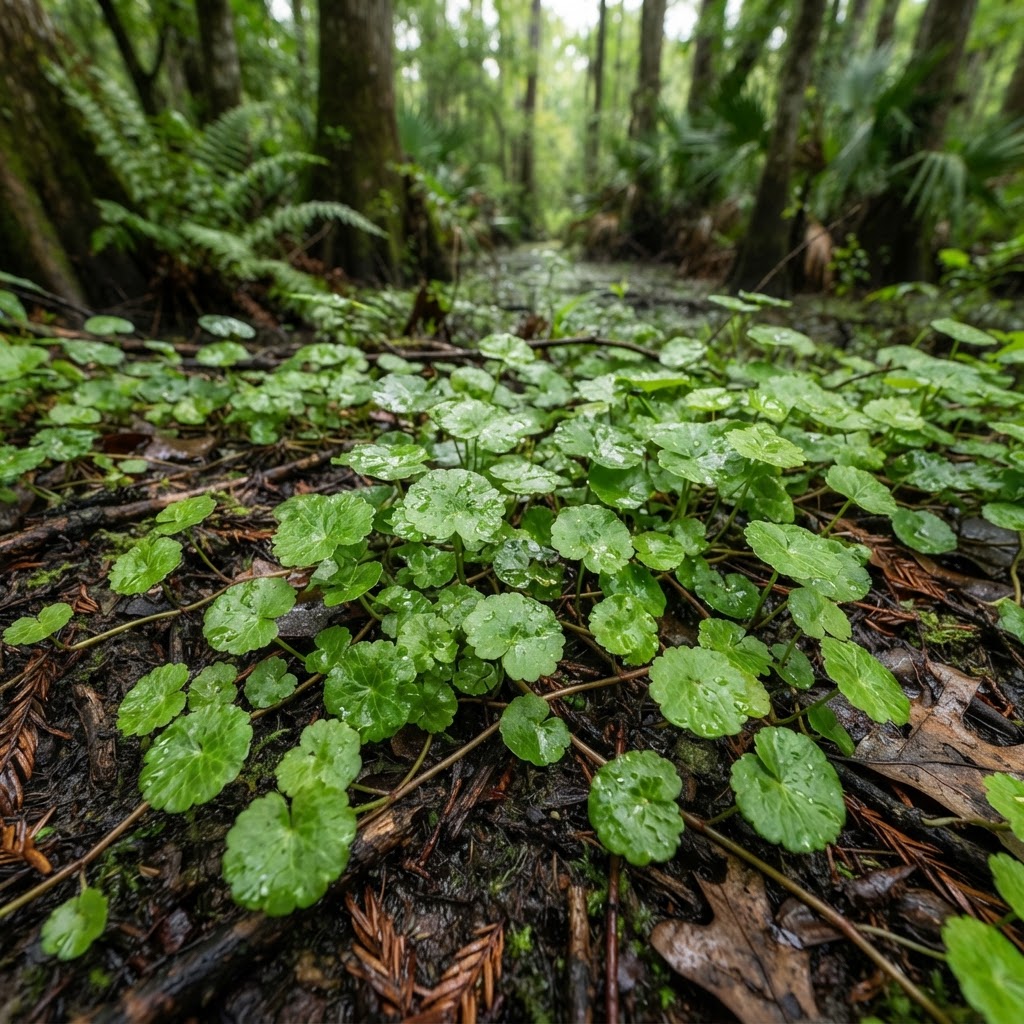 PennywortCentella / Hydrocotyle spp.
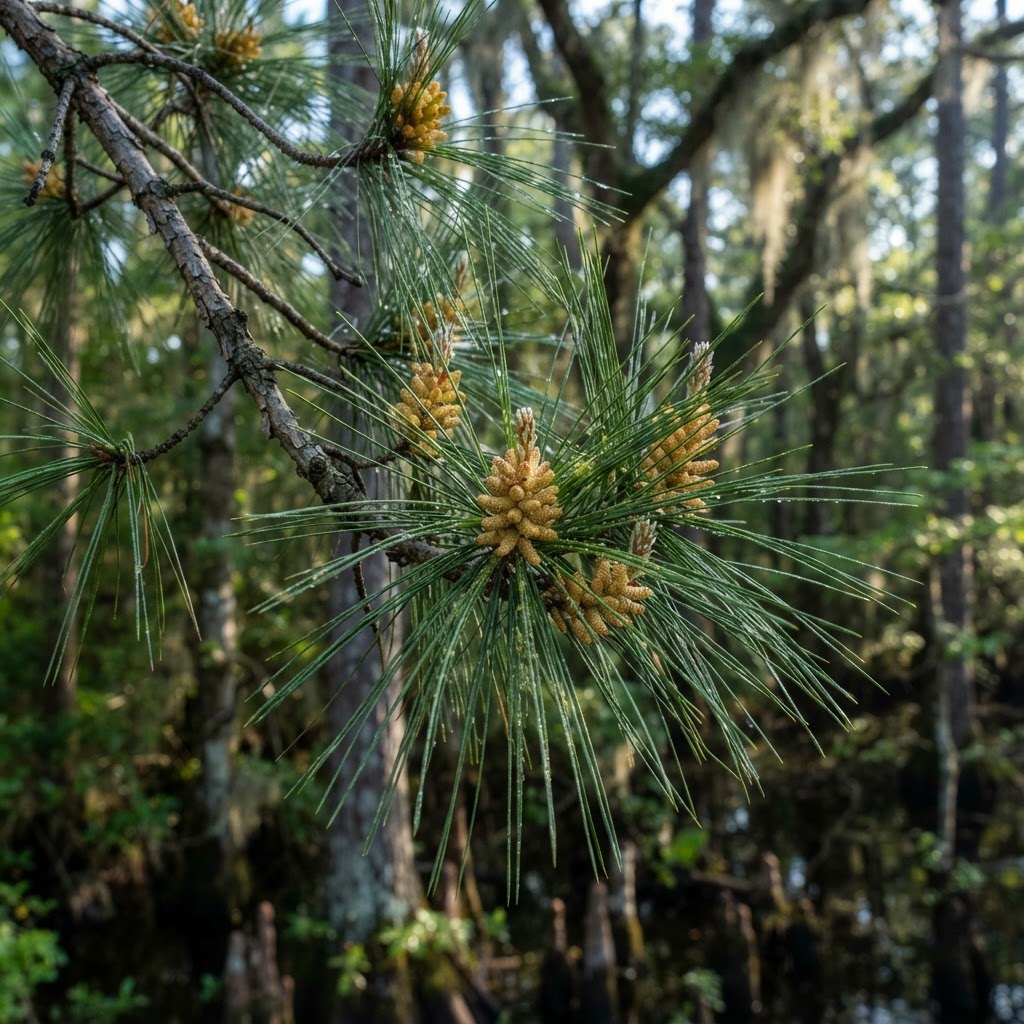 PinePinus spp. — Pollen, Needles & Shoots
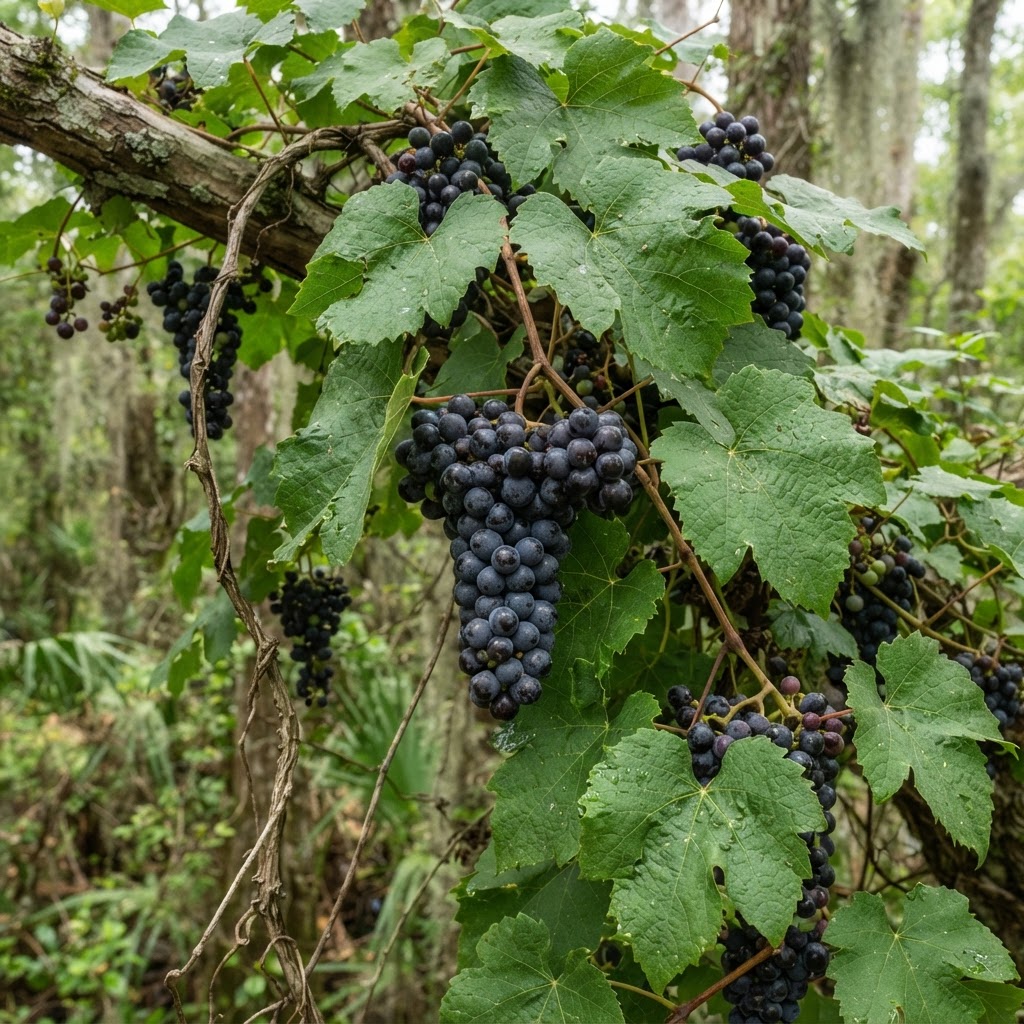 Mustang GrapeVitis mustangensis
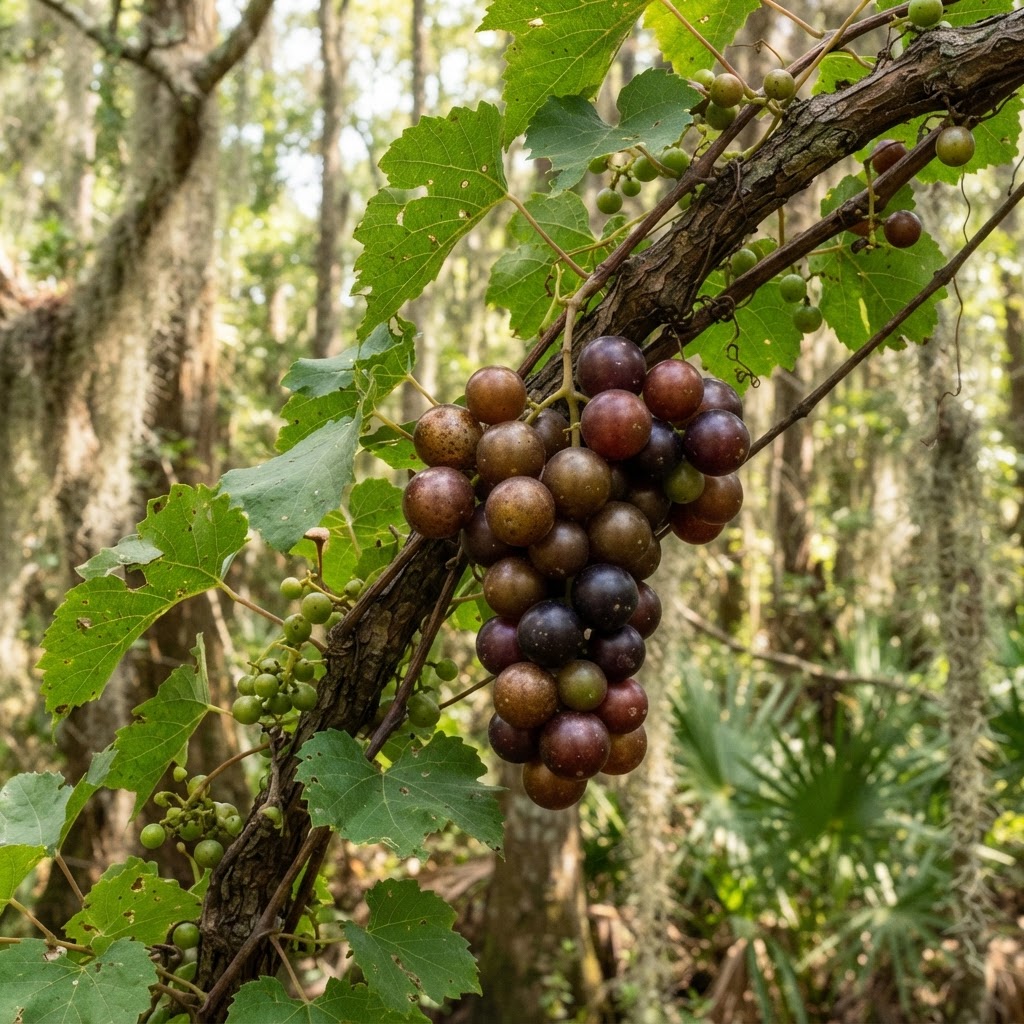 Muscadine GrapeVitis rotundifolia
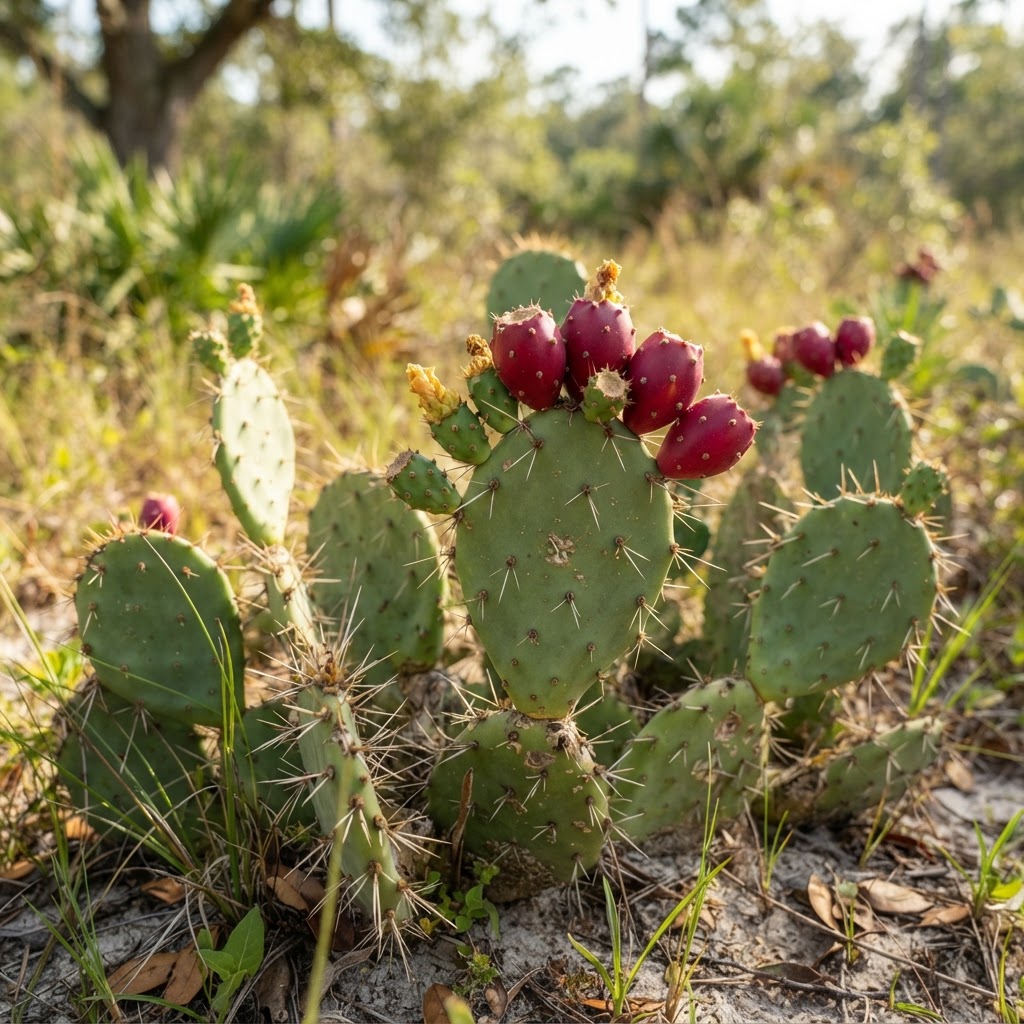 Prickly PearOpuntia spp.
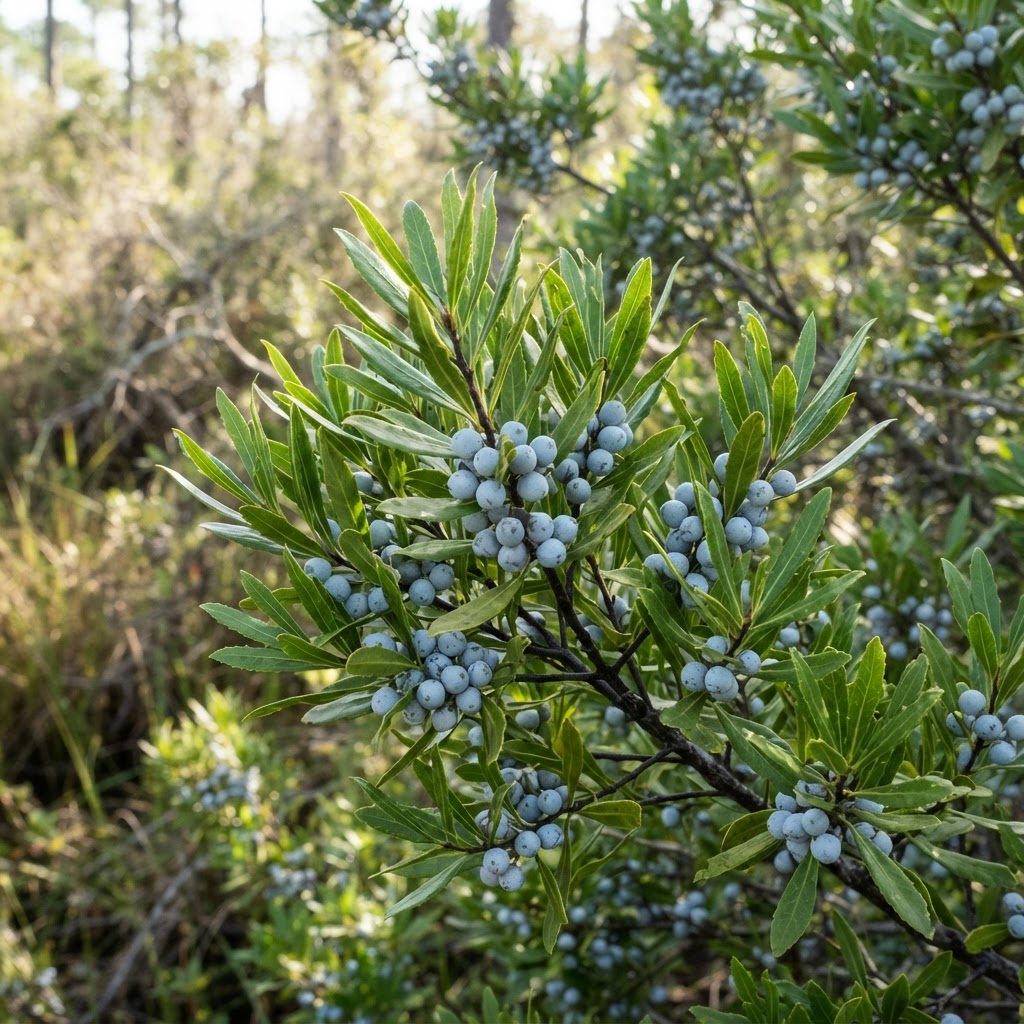 Wax MyrtleMorella cerifera
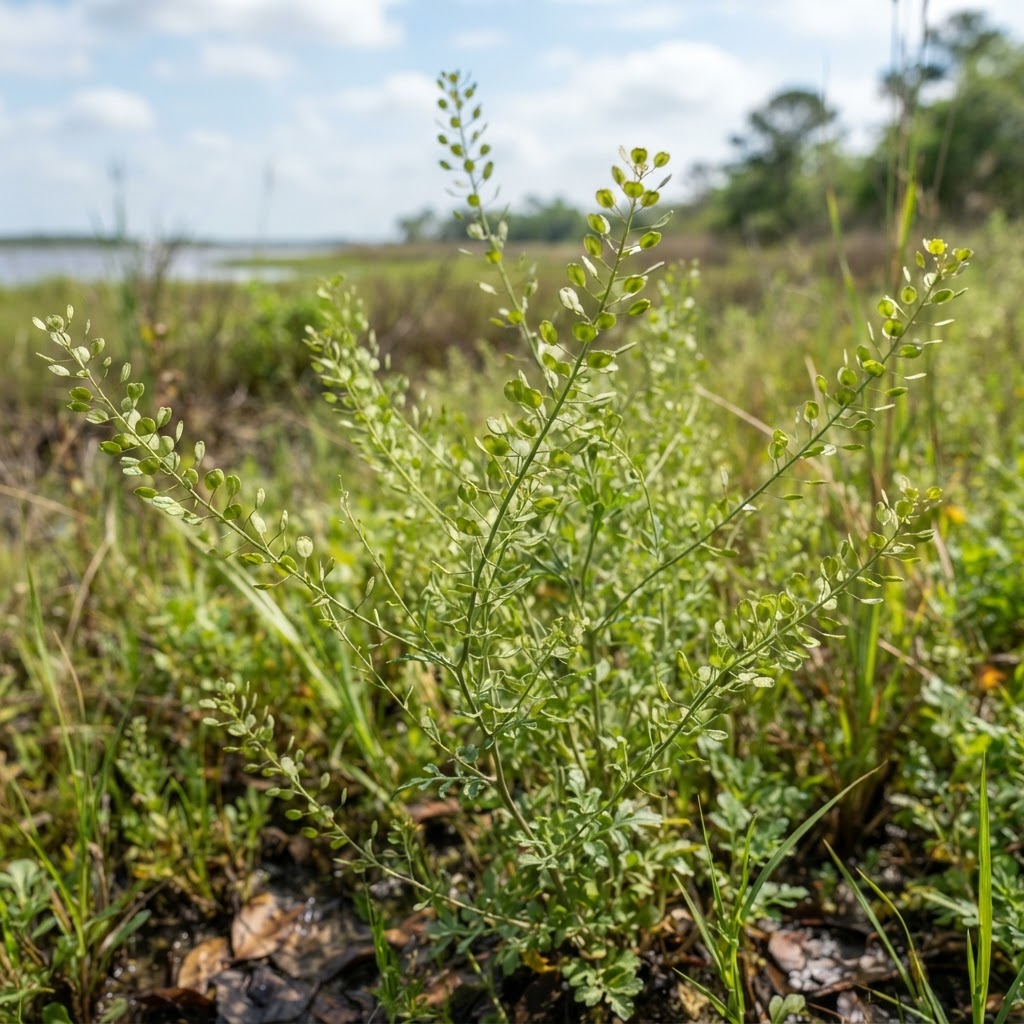 PeppergrassLepidium virginicum
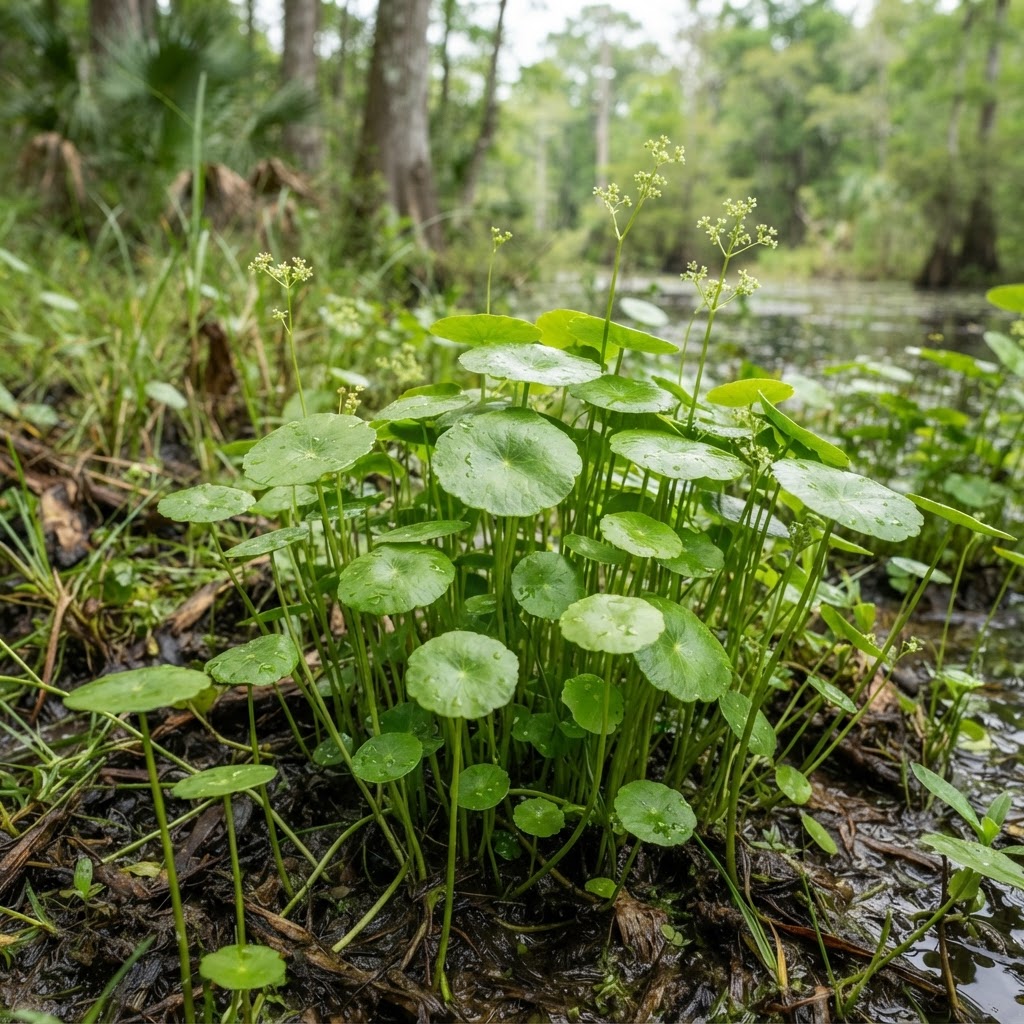 DollarweedHydrocotyle umbellata
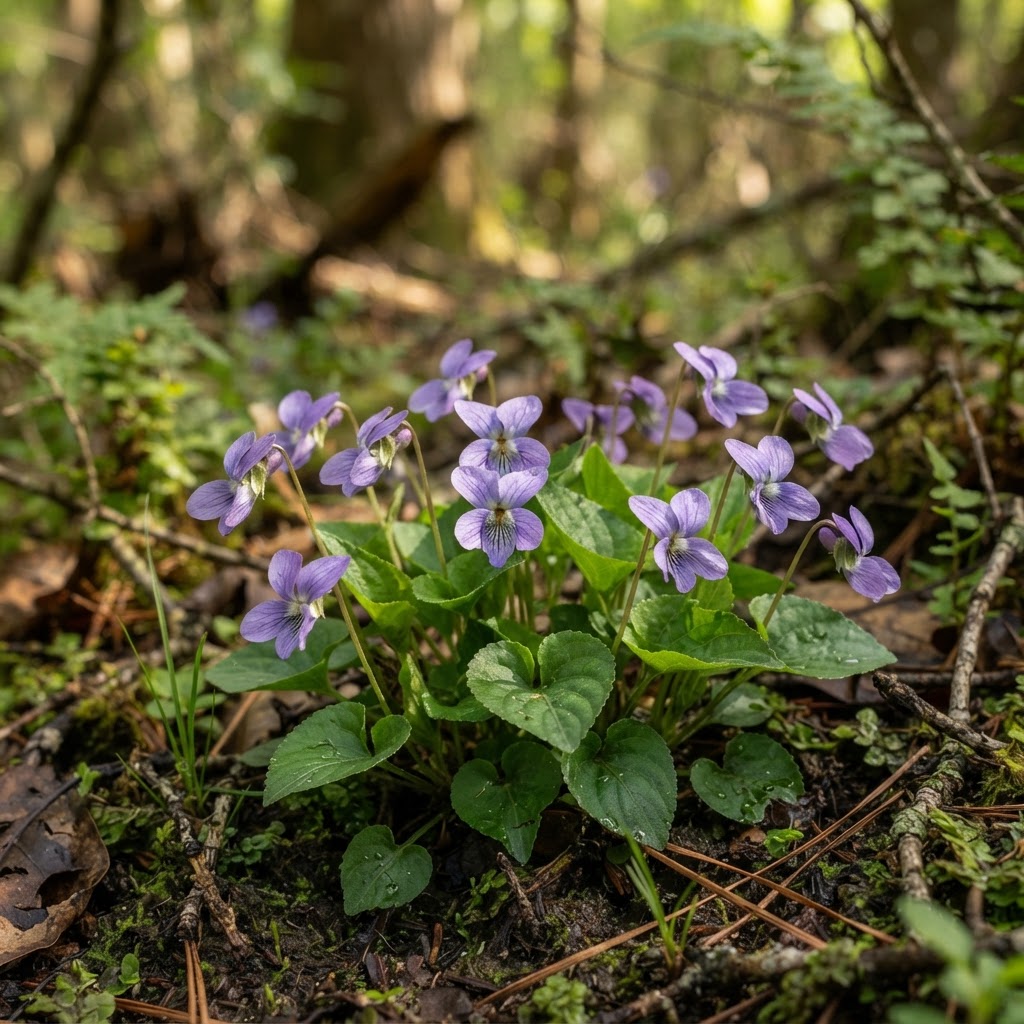 Wild VioletViola sororia
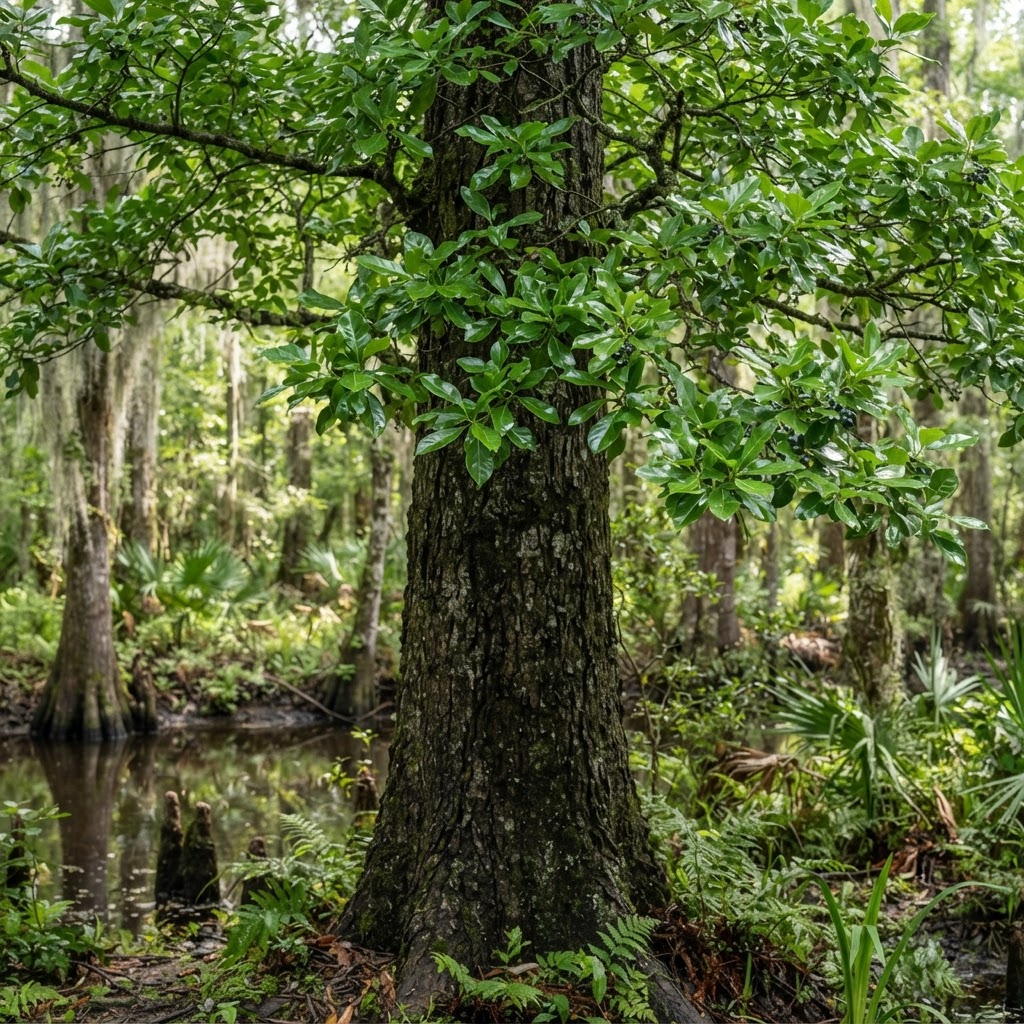 Black TupeloNyssa sylvatica
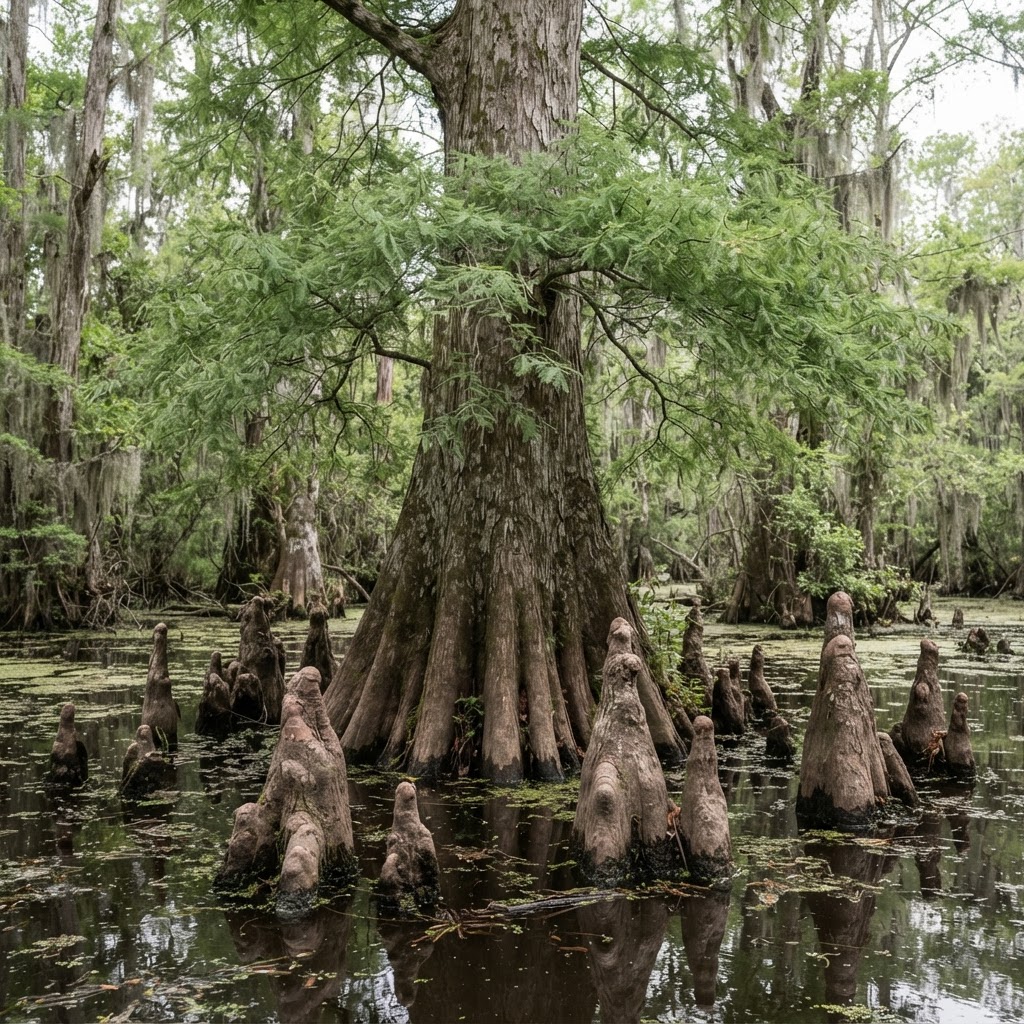 Bald CypressTaxodium distichum
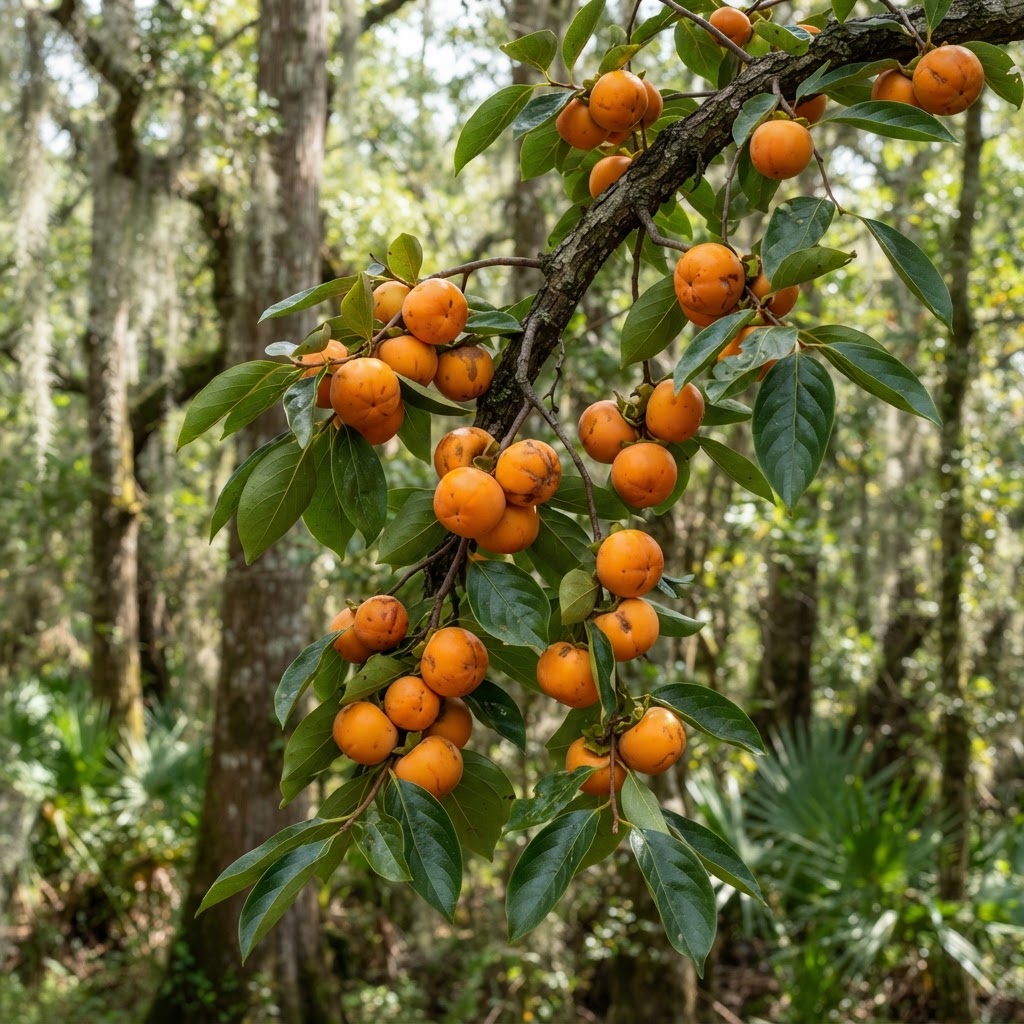 American PersimmonDiospyros virginiana
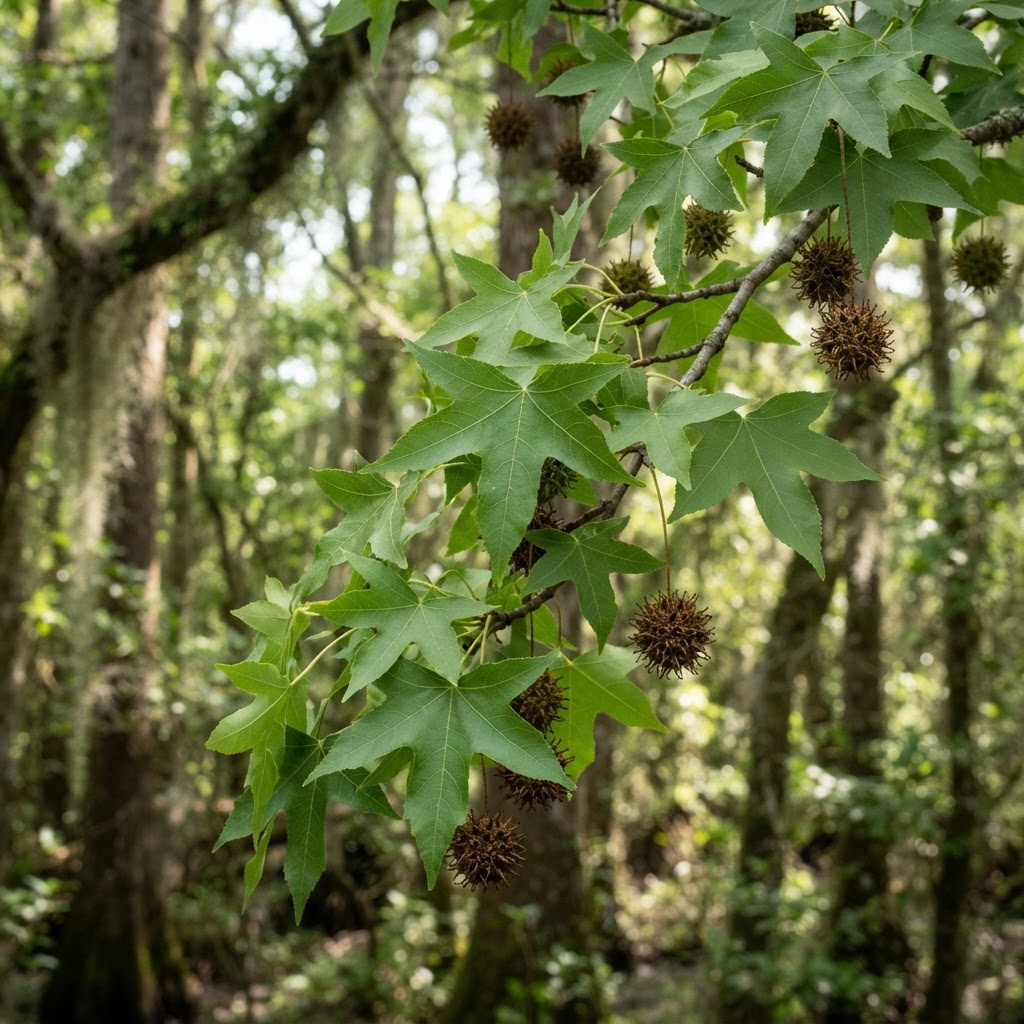 Sweet GumLiquidambar styraciflua
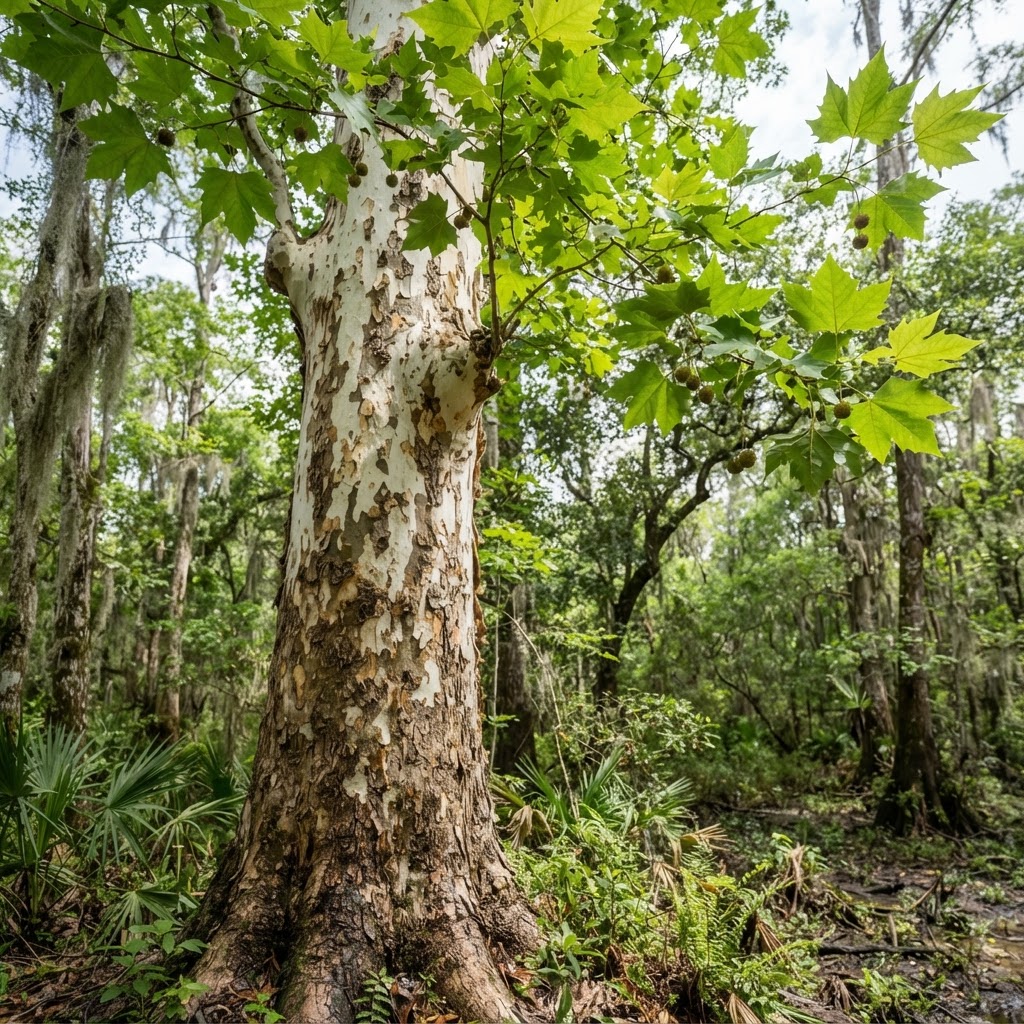 American SycamorePlatanus occidentalis
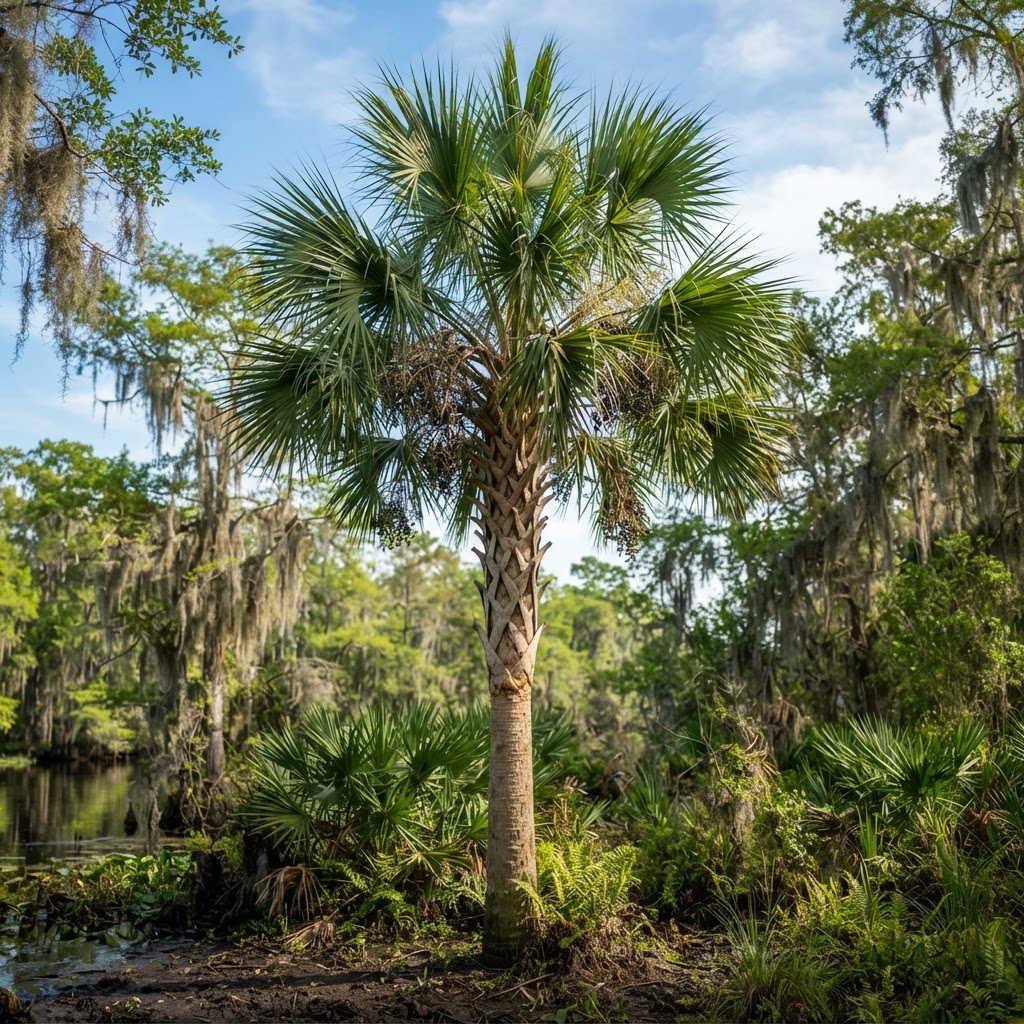 Sabal PalmSabal palmetto
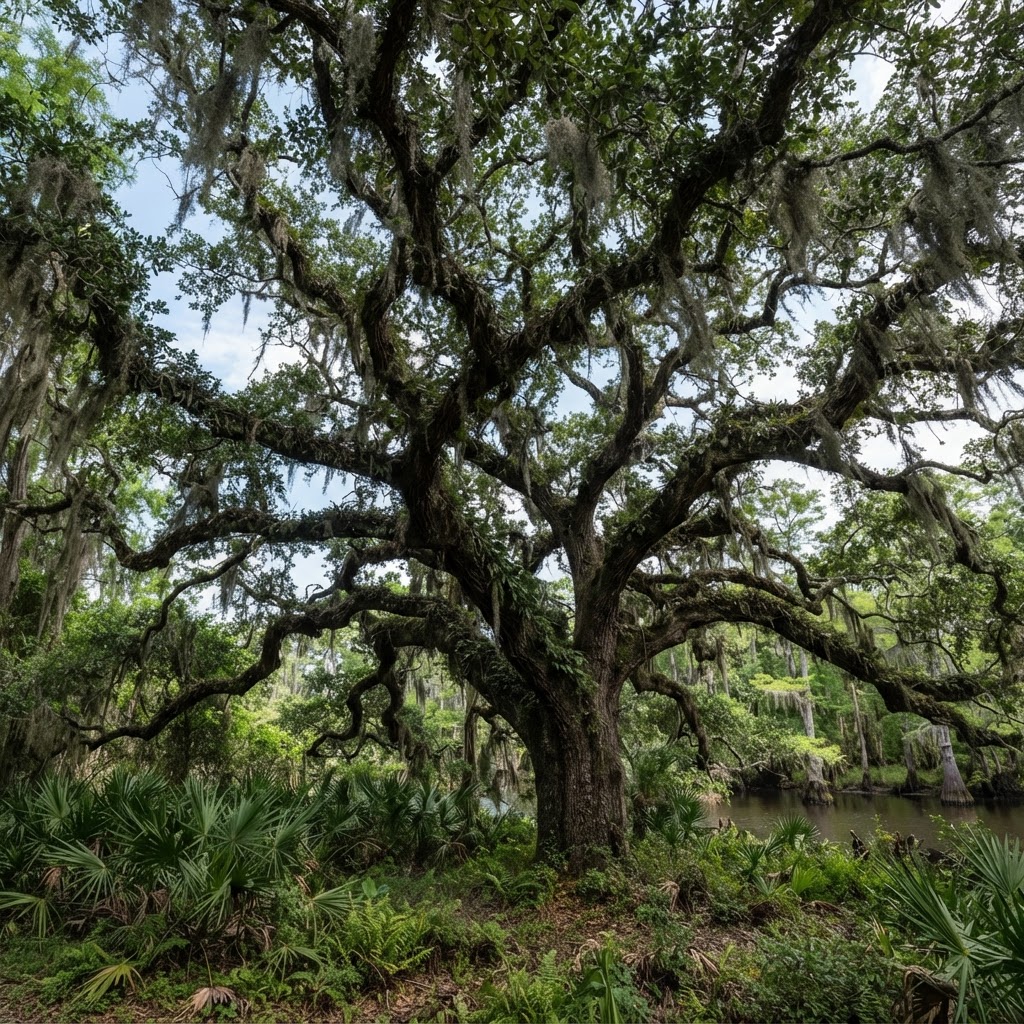 Southern Live OakQuercus virginiana
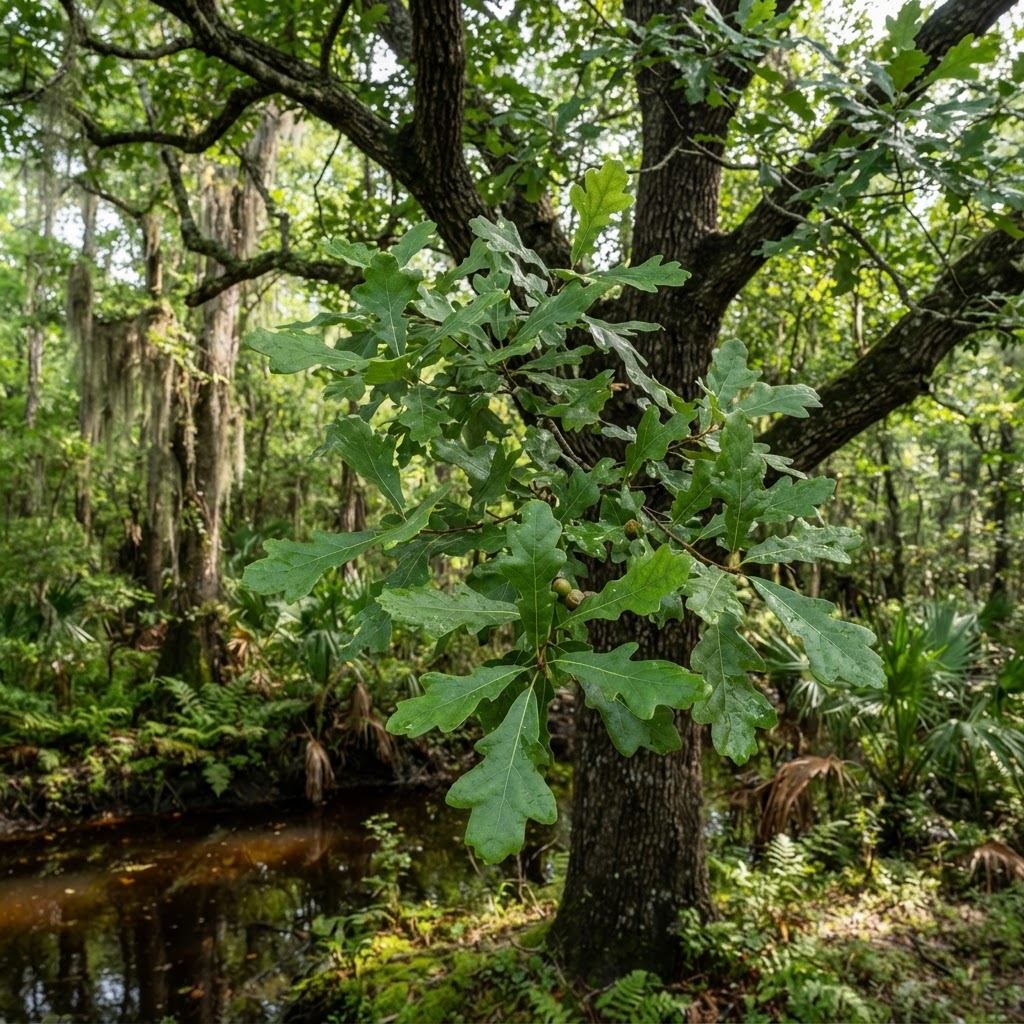 Water OakQuercus nigra
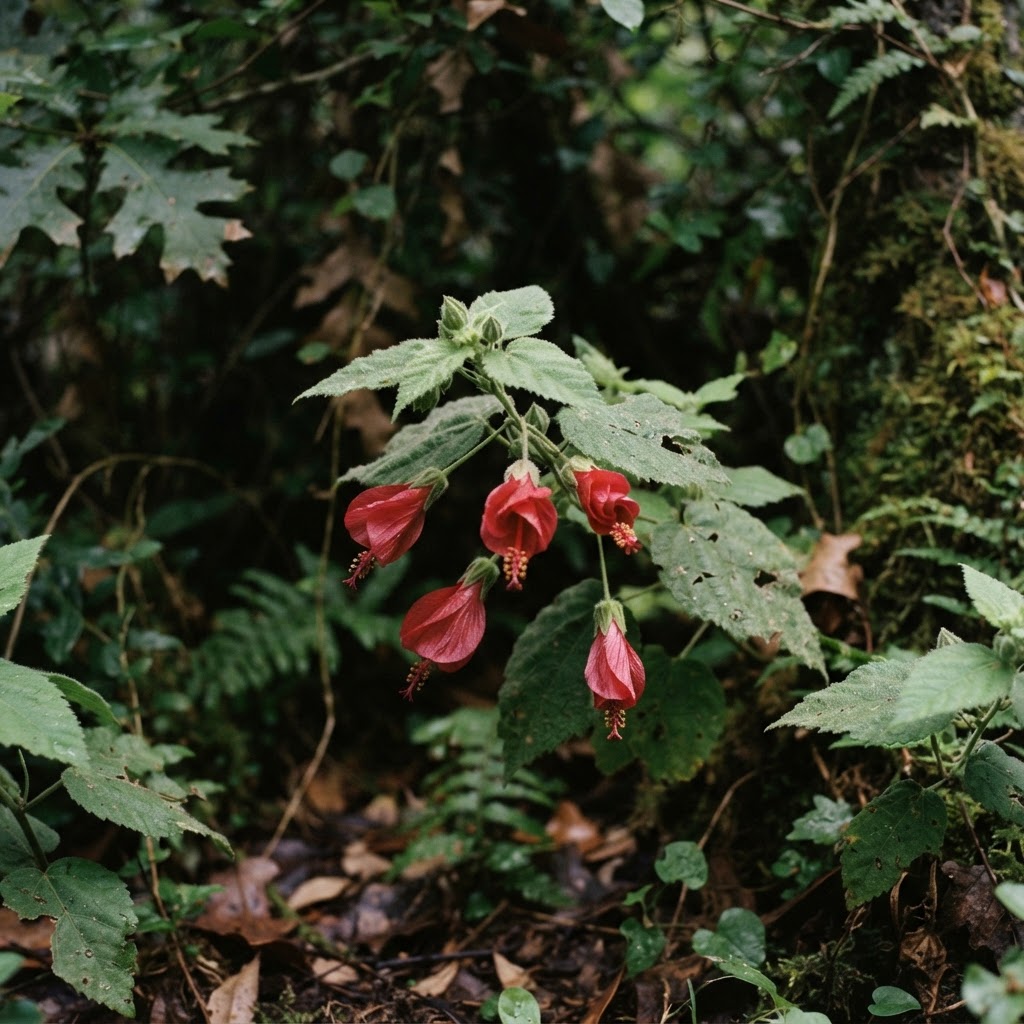 Turk's CapMalvaviscus arboreus var. drummondii
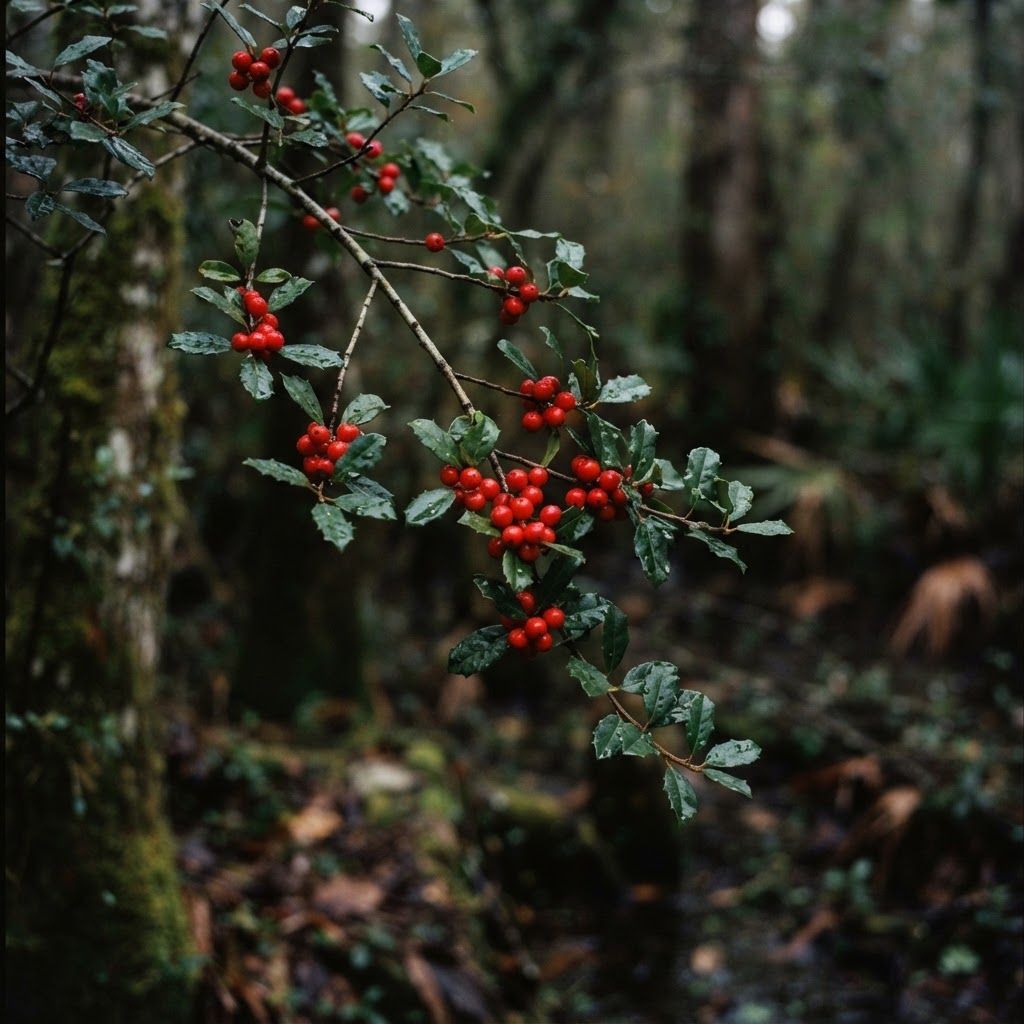 Yaupon HollyIlex vomitoria
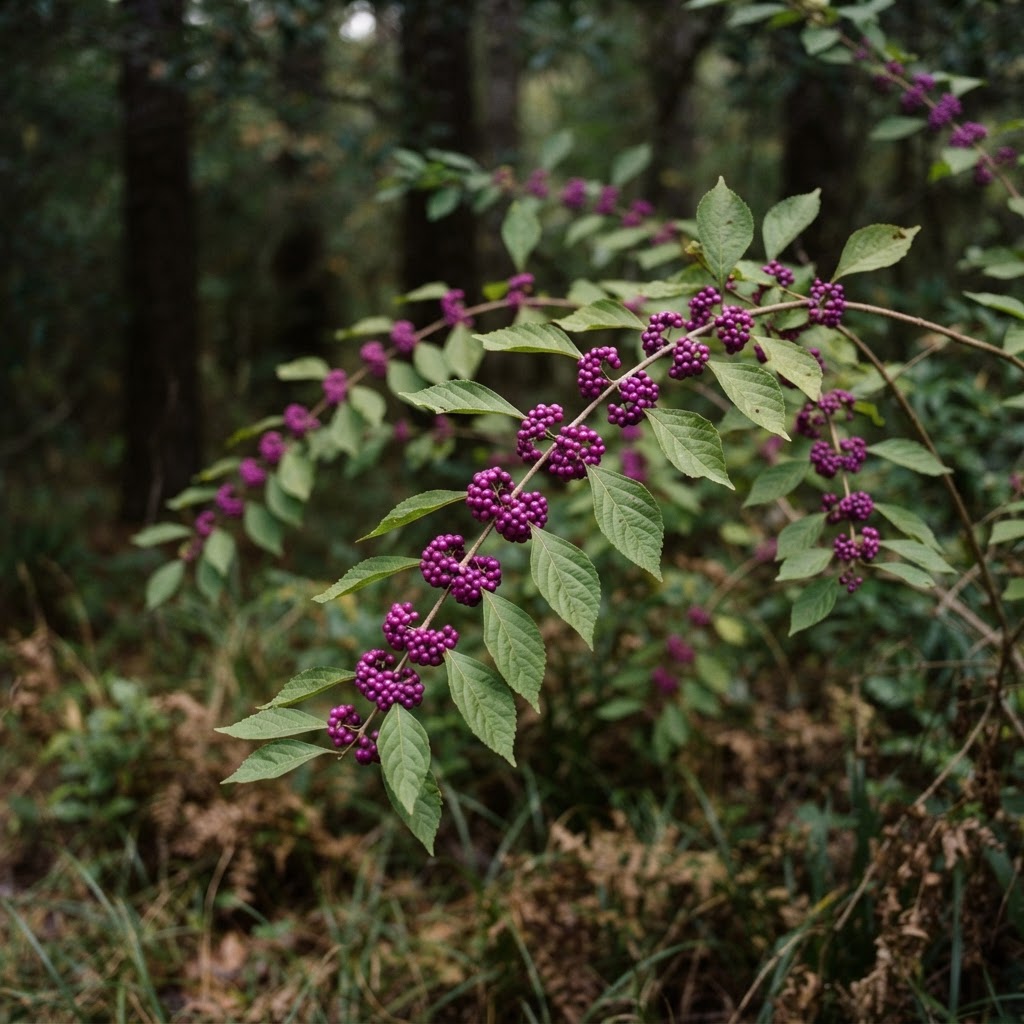 American BeautyberryCallicarpa americana
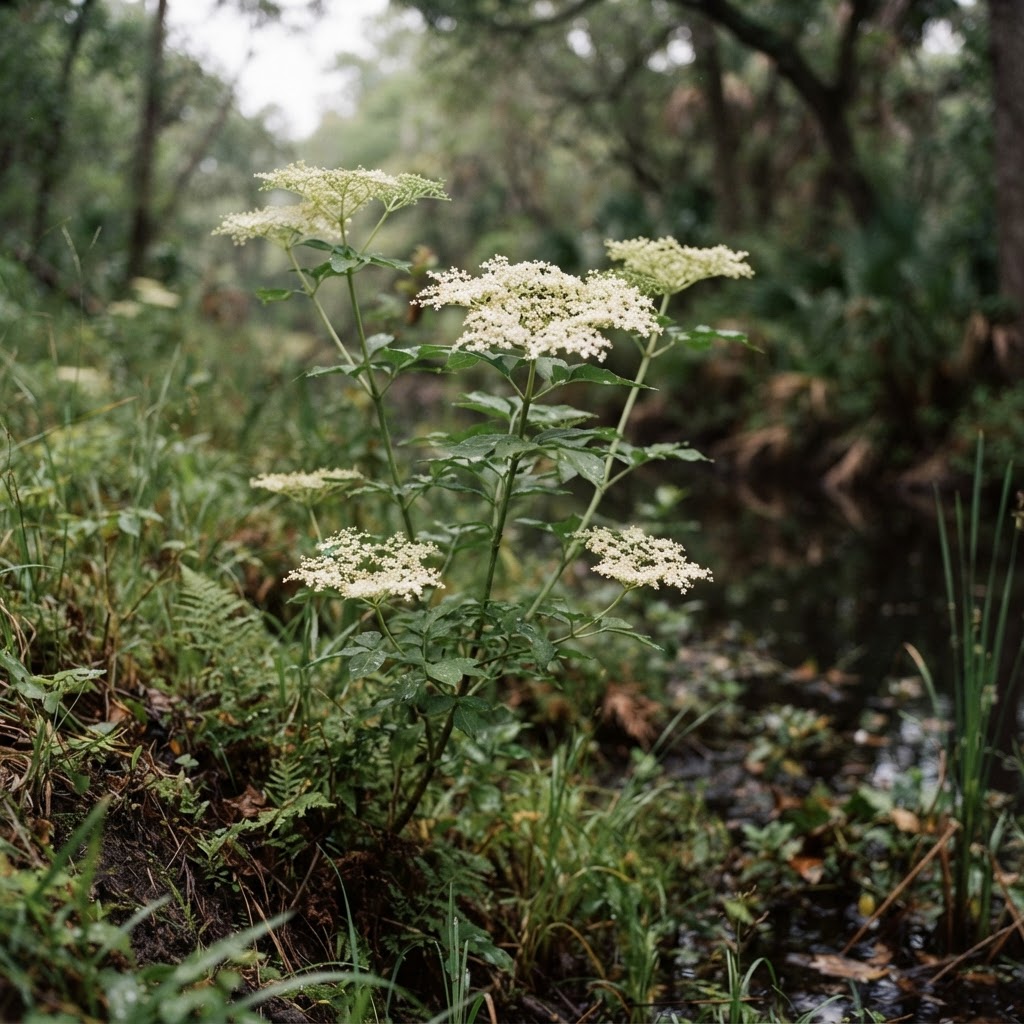 American ElderberrySambucus nigra subsp. canadensis
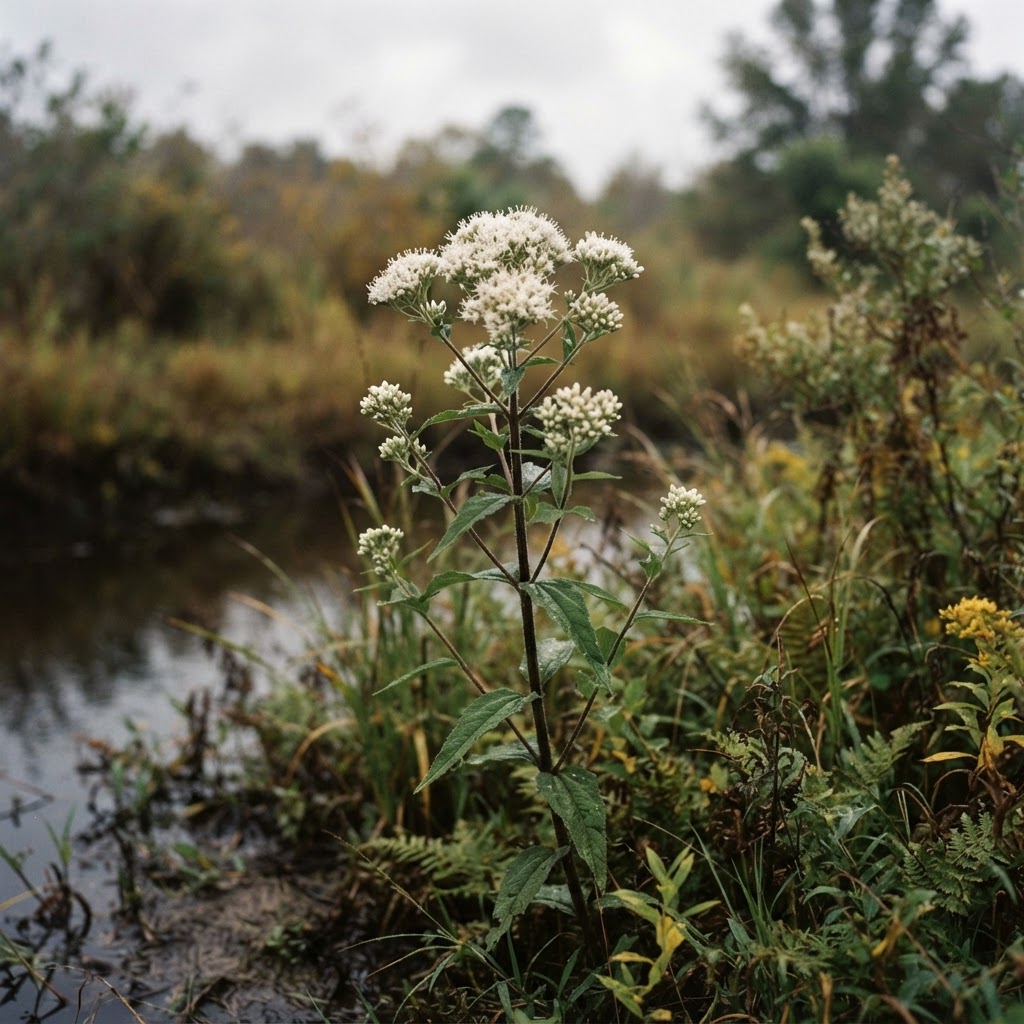 BonesetEupatorium perfoliatum
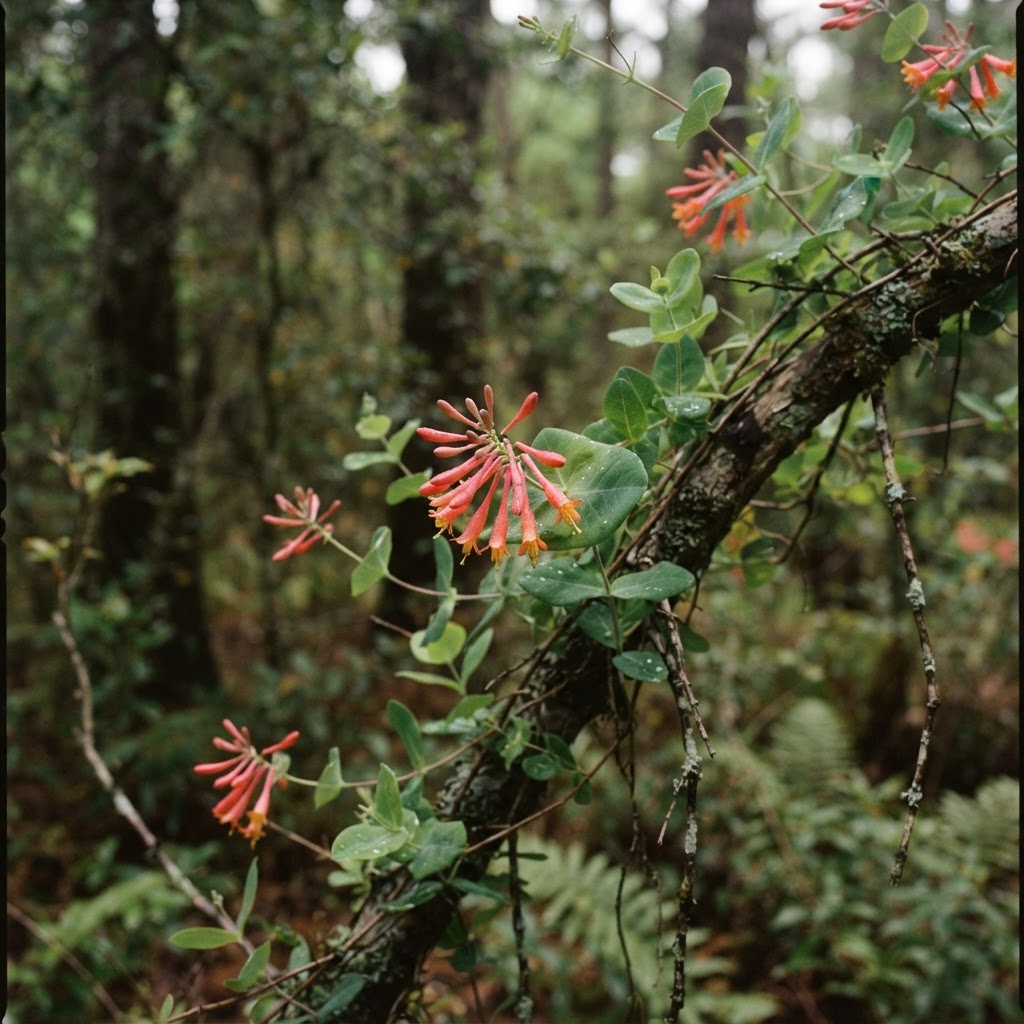 Coral HoneysuckleLonicera sempervirens
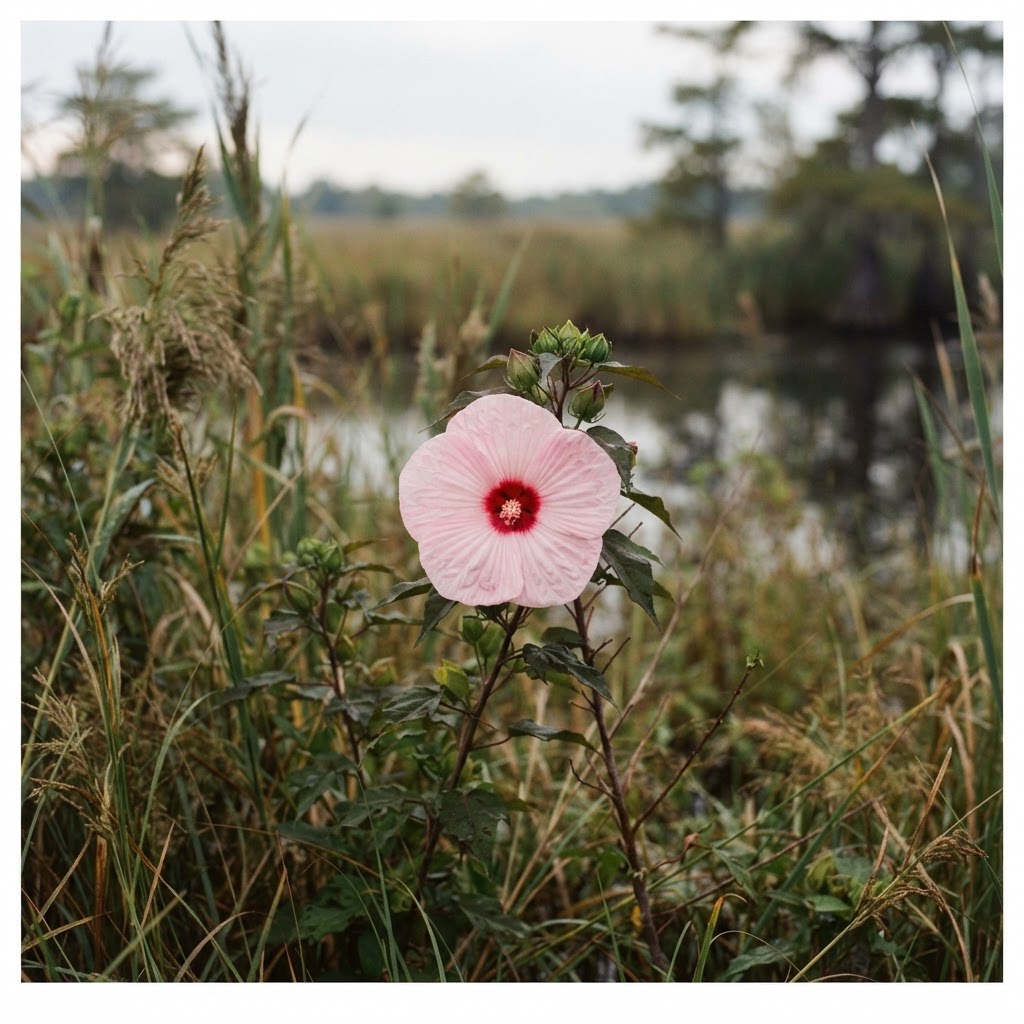 RosemallowHibiscus moscheutos
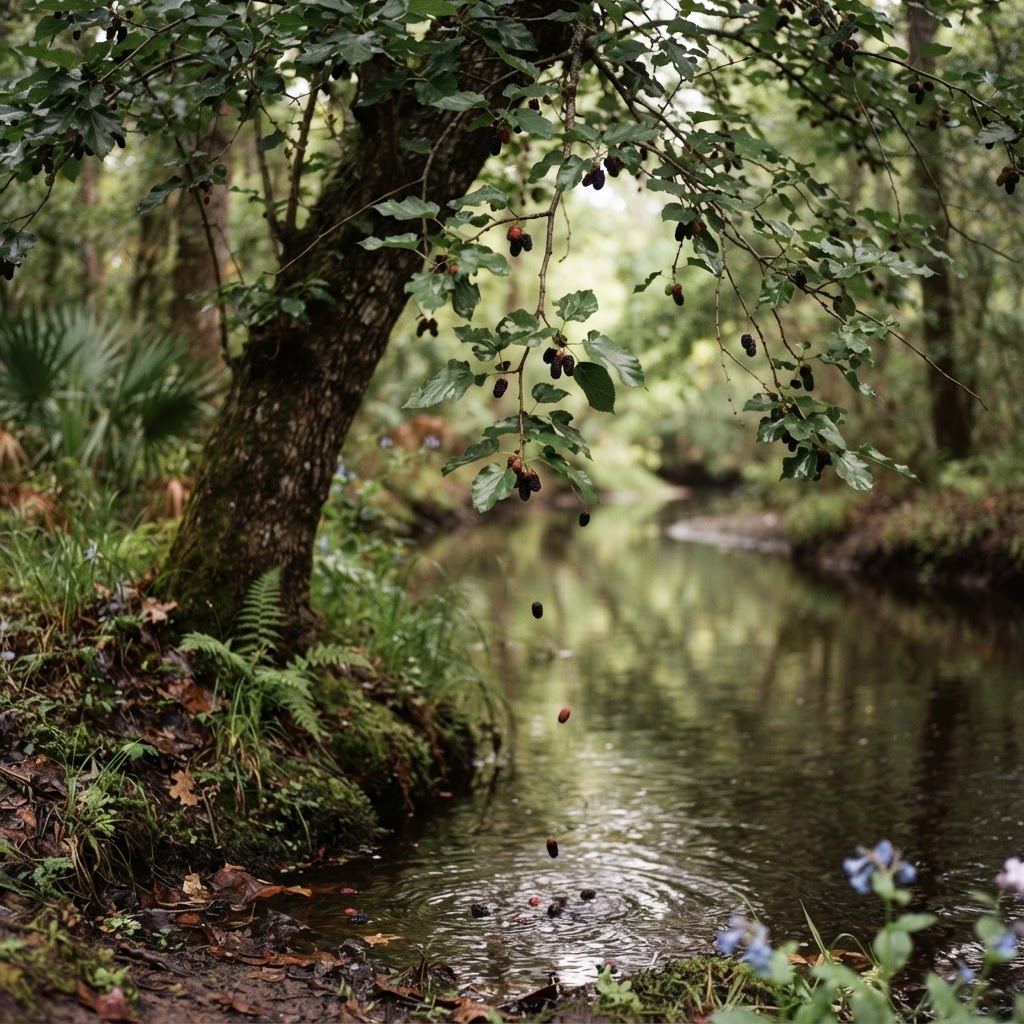 Red MulberryMorus rubra
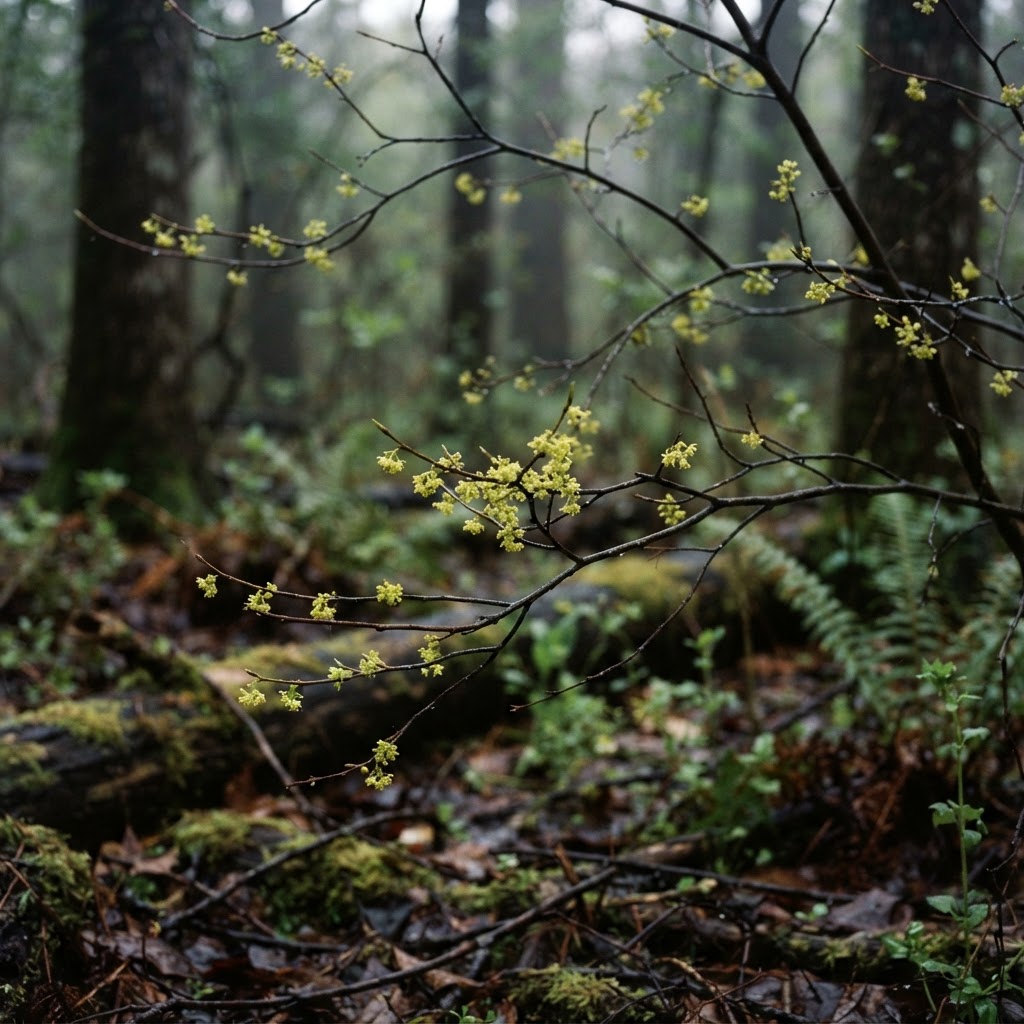 SpicebushLindera benzoin
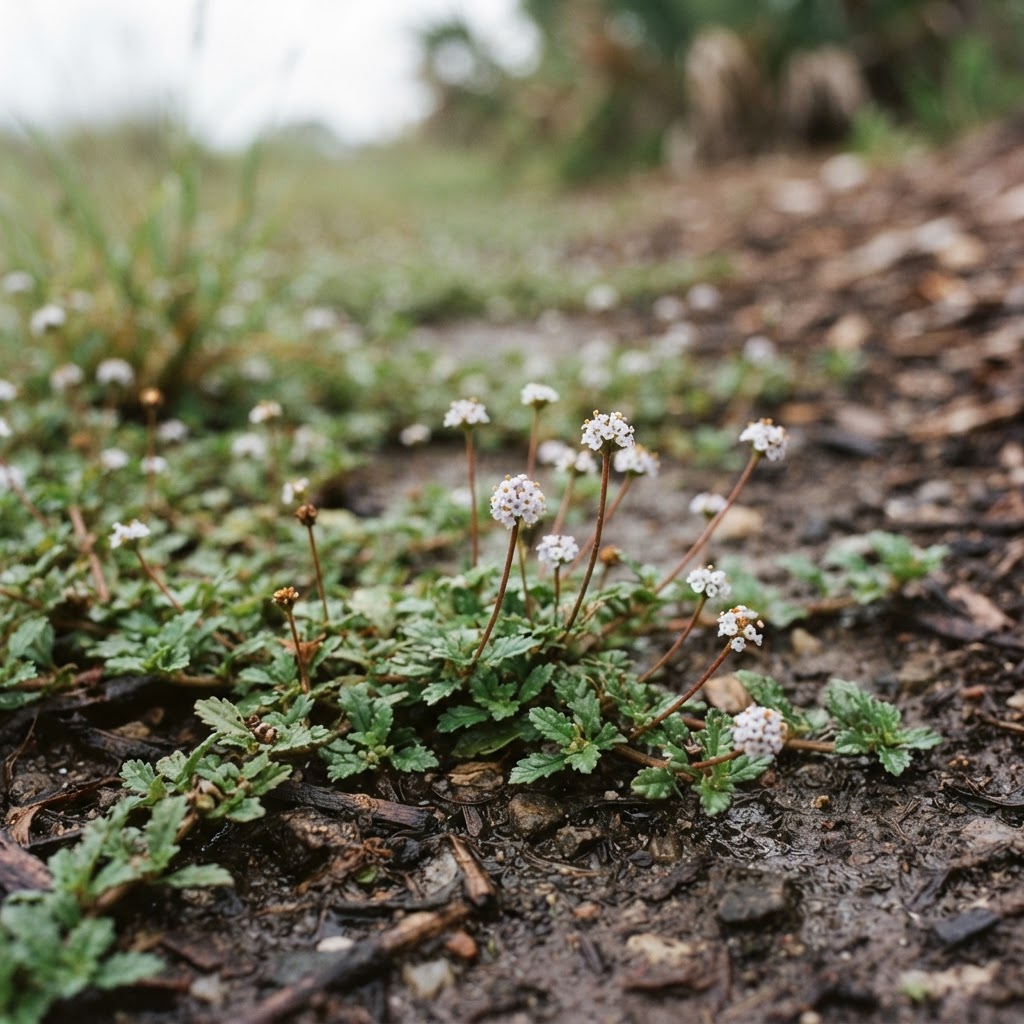 FrogfruitPhyla nodifloraSassafrasSassafras albidumSaw PalmettoSerenoa repensBlack WillowSalix nigraEastern Red CedarJuniperus virginianaSpanish MossTillandsia usneoidesPassionflower / MaypopPassiflora incarnataRed MapleAcer rubrumRiver BirchBetula nigraPawpawAsimina trilobaMayhawCrataegus opacaEastern RedbudCercis canadensisFlowering DogwoodCornus floridaButtonbushCephalanthus occidentalisJoe-Pye WeedEutrochium purpureumGoldenrodSolidago spp.St. John's WortHypericum perforatumPokeweedPhytolacca americanaCross VineBignonia capreolataCarolina JessamineGelsemium sempervirensTrumpet CreeperCampsis radicansLongleaf PinePinus palustrisWater TupeloNyssa aquaticaOvercup OakQuercus lyrataWillow OakQuercus phellosToothache Tree / Hercules' ClubZanthoxylum clava-herculisSparkleberry / FarkleberryVaccinium arboreumGallberryIlex glabraGulf MuhlyMuhlenbergia capillarisSea OatsUniola paniculata
✦
Building the Living Culture
Capturing Wild Yeast and Raising a Self-Sustaining Brew
Here is how to render these powerful chemicals from the plants and trees: raising and tending to a living yeast culture. To capture wild yeast is not to invent something new, but to invite what is already present into an environment where it can multiply and thrive. The bloom on a native berry, the dust on an oak leaf, the invisible currents moving through the woods after a rain — these are not empty spaces; they are teeming with wild, microscopic life waiting for food, moisture, and air. By preparing a vessel, adding nourishment, and giving it daily attention, you transform a handful of gathered botanicals into a self-sustaining, living culture.
Preparing the Vessel and the Water
Start with a clean glass jar. Avoid using antibacterial soaps or harsh chemical detergents, as any remaining residue can kill the wild organisms before they take root. Rinsing thoroughly with hot water is sufficient.
1. Fill the jar three-quarters full with clean, unchlorinated water. Tap water containing chlorine or chloramines will inhibit or destroy wild yeast.
2. Submerge your gathered botanicals. Place your chosen plant parts — fresh shoots, pine needles, aromatic leaves, or crushed berries — directly into the water. Ensure there is enough space at the top of the jar for air exchange and rising bubbles.
Note: The plant material brings three vital components to the jar — wild yeast and beneficial bacteria living on its surface, and the distinct phytochemical profile of the plant itself.
Stirring Twice Daily
Wild yeast requires oxygen during its early multiplication phase to build strong cell walls and establish a dominant population before it transitions into anaerobic fermentation.
- •Stir vigorously twice a day (once in the morning, once in the evening) using a clean spoon or stick.
- •Agitating the liquid introduces oxygen throughout the jar, keeps the plant material submerged so surface mold cannot form, and evenly distributes the developing microbes.
Feeding and Pacing the Culture
Yeast relies on simple carbohydrates to generate the energy required for rapid cellular division. To build a robust culture over the standard two-week initiation period:
- •Feed 1 tablespoon of sugar or honey every other day directly into the jar during one of your daily stirs.
- •Observe the signs of life: Around day four or five, small pinprick bubbles will begin to gather along the rim. By the second week, a layer of active, frothy white bubbles will blanket the surface, accompanied by a clean, tangy, slightly floral aroma. This signifies that the wild yeast has established full dominance over the jar.
Transitioning to Plant Breakdown
Once the surface is rich with active foam (typically between day 10 and day 14), the culture's metabolic focus shifts. It no longer needs regular feeds of simple sugar to build its population; it now possesses the biological force necessary to break down complex plant matter.
1. Reduce sugar feeds dramatically. Shift from feeding every other day to once a week — or cease sugar inputs entirely during active fermentation cycles.
2. Add fresh botanicals. As you introduce new roots, leaves, or blossoms to the jar, the established microbial colony will begin consuming the natural compounds, starches, and trace sugars within the plants.
The Result: A Restorative Botanical Brew
As the wild yeast digests the organic material, it extracts and transforms the phytochemicals, producing natural organic acids, bioavailable enzymes, and mild carbonation. What remains in your jar is no longer just water and plants — it is a living, probiotic drink designed by nature to support digestion, strengthen systemic resilience, and deliver the concentrated power of the local landscape directly into your body.
✦
The Living Jar
The Suppression & Reclamation of Wild Botanical Fermentation
The history of human health and spiritual autonomy is inextricably linked to the glass, the crock, and the clay amphora. Long before the advent of modern synthetic pharmaceuticals or industrial pasteurization, traditional societies understood that raw nature was not meant to be consumed in its crude, static state. It was meant to be transformed. Through the art of wild botanical fermentation, early communities turned the living flora of their local landscapes into living medicines, elevated tonics, and sacred communion. Yet, as centralized powers consolidated control over both the human soul and the bodily health of the populace, this decentralized, household utility was systematically suppressed. The decline of wild botanical fermentation was not an incidental casualty of modern progress; it was the result of a long, deliberate arrest executed through the alliance of ecclesiastic authority and the emerging state.
I · The Ancient Utility: Fermentation as Living Medicine & Sacred Medium
In the ancient world, fermentation was far more than a method of preservation — it was a sophisticated bio-regional technology. By submerging wild roots, barks, blossoms, and leaves into raw water and feeding the native yeasts and bacteria living upon their surfaces, ancient herbalists catalyzed a profound biological shift:
- •Phytochemical Extraction: Fermentation breaks down tough plant cell walls, extracting complex alkaloids, polyphenols, and flavonoids that water or heat alone could never liberate.
- •Bio-Transformation: Microorganisms predigest harsh plant compounds, neutralizing natural toxins (such as excessive tannins or oxalates) while creating novel organic acids, enzymes, and bioavailable nutrients.
- •Gut-Brain Axis Realignment: Living ferments inoculated the human digestive tract with diverse wild microflora, fortifying the intestinal barrier and calming systemic inflammation — a physiological state early traditions recognized as vital for mental clarity and spiritual receptivity.
Beyond physical utility, wild ferments occupied a sacred space. Because fermentation relies on invisible, omnipresent airborne organisms, ancient cultures viewed the process as an act of divine intervention — a physical manifestation of the pneuma or logos, the breath of life animating raw matter. From the botanical kykeon of the Eleusinian Mysteries to the complex bitter herb brews of indigenous shamanic traditions, fermented botanicals served as a bridge between the wild landscape, human physiology, and the spiritual realm. Crucially, this power required no institutional mediator; it belonged to anyone who knew the plants of their forest and kept a jar in their home.
II · The Ecclesiastic Shift: Monopolizing the Spirit and the Medicine
The rise of the medieval Catholic Church marked a fundamental shift in humanity's relationship with the natural world. To establish spiritual supremacy across Western Europe, the Church sought to eliminate competing channels of divine experience and physical healing — specifically those rooted in local, folk-based nature traditions.
For centuries, community ale-wives and local healers brewed fermented beverages using gruit — a specialized blend of wild, highly bioactive botanicals such as Yarrow, Sweet Gale, Wild Rosemary, and various local roots. These brews were inherently medicinal, psychoactive, and deeply tied to regional ecosystems. Recognizing the independent power of these herbal brews, ecclesiastic authorities moved to regulate and tax them. The Church secured legal monopolies (Gruitrecht) over the sale of gruit ingredients, dictating who could brew and what could be placed into the fermenting vessel.
The eventual shift away from wild gruit to standardized hops (Humulus lupulus) in the late Middle Ages was heavily driven by both Church and state interests. Hops acted as a powerful preservative, facilitating long-distance trade and taxation, but they also possessed a distinct physiological property: unlike the stimulating, euphoric, and medicinal qualities of wild gruit botanicals, hops are strongly sedative and anaphrodisiac. By standardizing hopped beer, the state and Church systematically replaced wild, invigorating tonics with a unifying, calming beverage that was far easier to control and monetize.
The suppression of wild fermentation reached its peak during the witch trials of the early modern period. Household healers, herbalists, and wild-crafters — predominantly women who held the generational knowledge of plant extraction, yeast culturing, and fermentation — were targeted as practitioners of maleficia. The simple act of maintaining living pots of fermenting roots or keeping mysterious jars of bubbling liquids was reframed as demonic activity. The message was clear: spiritual and physical well-being could not be cultivated in a domestic crock; it had to be administered by the church or the state-sanctioned physician.
III · The State-Corporate Alliance: Industrialization and the Erasure of the Wild
- •Enclosure of the Commons: State laws fenced off public lands, transforming forests where wild barks, berries, and roots were once harvested into private property or state reserves, severing the common person's access to raw botanical ingredients.
- •Sanitation and Pasteurized Dogma: With the advent of industrial microbiology in the 19th century, the state adopted a war-like posture toward all bacteria and wild yeasts. Sterilization and pasteurization became legal mandates for commercial food and drink. While these measures dramatically reduced foodborne illness in overcrowded industrial cities, they had the side effect of demonizing the consumption of living, wild microflora.
- •The Rise of Synthetic Pharmacology: The emerging medical-industrial complex sought to isolate single active compounds from plants, patent them, and sell them as standardized chemical drugs. A living, wild-fermented botanical culture — variable by season, inherently unpatentable, and easily produced in a kitchen — represented a direct economic threat to centralized pharmaceutical monopolies.
IV · Conclusion: Reclaiming the Living Jar
To capture wild yeast in a jar today, to submerge native roots and leaves into fresh water, and to tend a bubbling culture on a kitchen counter is therefore an act of quiet restoration. It re-establishes a direct line to an ancient, decentralized biological utility — reclaiming the right to nourish, heal, and commune with the living intelligence of the local landscape. The arrest of botanical fermentation by the collaboration of Church and state was never just about controlling alcohol or food production; it was about severing the individual from self-sovereignty. By outlawing the local herb-blend, criminalizing the domestic herbalist, and institutionalizing both spiritual salvation and physical medicine, centralized authority successfully converted self-reliant communities into dependent consumers.
Buy the truth, and do not sell it; get wisdom, instruction, and understanding. — Proverbs 23:23